
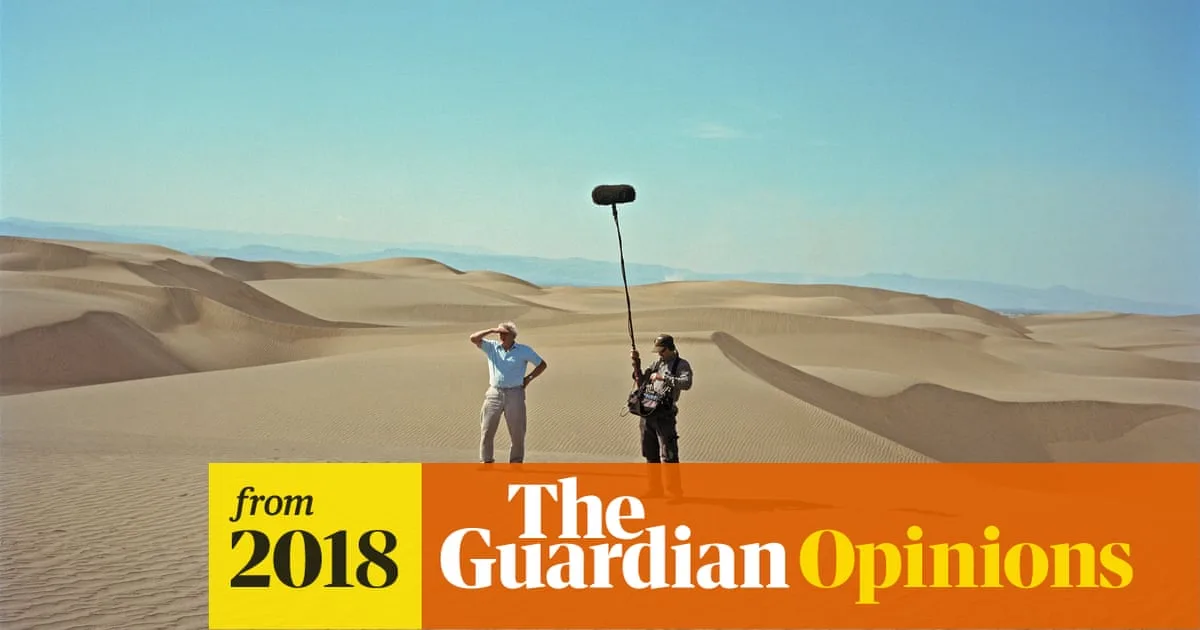
David Attenborough's latest BBC series, Dynasties, has come under fire for failing to adequately address the environmental crisis. In an interview with the Observer, Attenborough stated that fully representing environmental issues would be a 'turn-off' and 'proselytising'. The series will mention pressures on wildlife but will play them down, offering 'a great relief from the political landscape'.
George Monbiot, a prominent environmental writer, argues that this approach is inappropriate given the rapid collapse of animal populations and living systems worldwide. He criticises wildlife film-making for presenting a pristine world that creates complacency rather than action. Monbiot notes that film-makers increasingly struggle to exclude evidence of destruction, carefully choosing camera angles to depict untouched ecosystems.
Monbiot contrasts this with the success of Blue Planet II, whose final episode on plastic pollution triggered a massive public response. He suggests there is a vast appetite for information about the environmental crisis. He also recounts his own experiences with BBC controllers who were actively hostile to environmental programming, claiming the BBC has done more to frustrate environmental action than ExxonMobil.
Monbiot acknowledges that Attenborough's 2000 series State of the Planet was a step forward but criticises it for lacking actionable solutions. He argues that Attenborough, as a former BBC controller with the power to make any programme, has a responsibility to reveal the raw truth about the world's environmental state.




