Asian Hornets Make First Appearance in Wales as Public Alert Issued
For the first time on record, the invasive killer Asian hornet has been confirmed in Wales, prompting urgent warnings from authorities for the public to remain vigilant and report any sightings. The discovery marks a significant expansion of this non-native species' presence in the UK, raising concerns about its impact on essential native insects, particularly bees.
Discovery Near Wrexham Triggers Government Response
A dead hornet nest was recently uncovered near Wrexham, leading to immediate calls from the Welsh Government for heightened awareness. Officials have emphasised that February is a critical period, as this is when Asian hornets typically emerge from hibernation, increasing the likelihood of further sightings and nest formations.
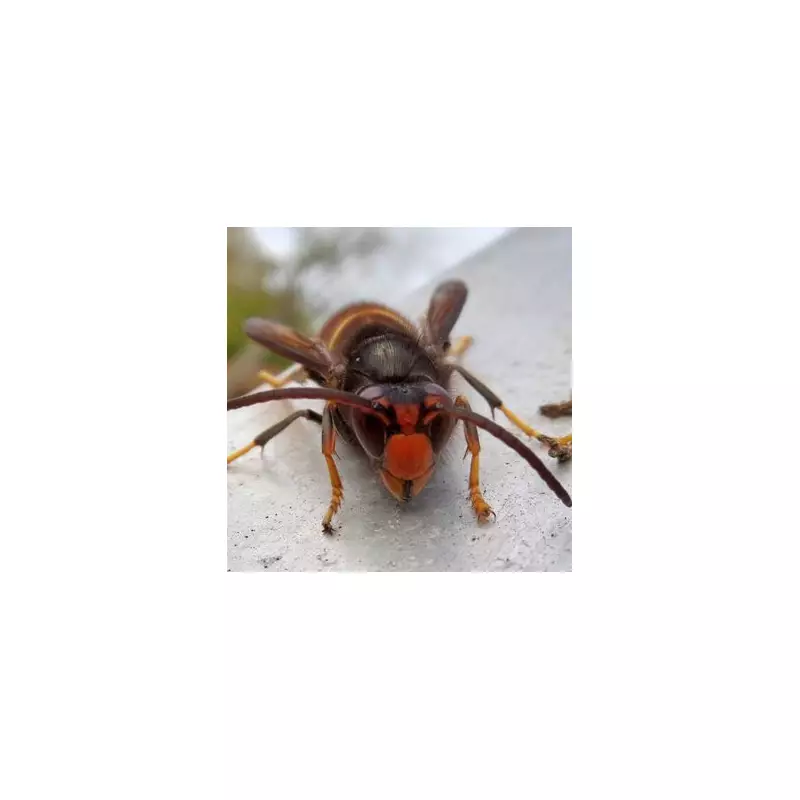
Also known as the yellow-legged hornet, this insect originates from east Asia and was first recorded in Europe in 2004. While not generally aggressive towards humans, it can sting if provoked and poses a severe threat to pollinators like honeybees, which are crucial for ecosystems and agriculture.

Rising UK Sightings and Nest Destructions
The arrival in Wales follows a worrying trend across the UK. Last year alone, there were 544 credible sightings and 161 confirmed nests of Asian hornets, all of which were urgently destroyed to prevent establishment. The species is a voracious predator of other insects, disrupting local biodiversity and potentially affecting crop pollination.
Official Statements and Public Guidance
Huw Irranca-Davies, Deputy First Minister of Wales, highlighted the importance of public cooperation in combating this threat. He stated, "The National Bee Unit has years of experience tracking and locating yellow-legged hornets so their expertise will be invaluable in helping us take action against the insect in Wales."
Irranca-Davies added, "I'd like to thank beekeepers and members of the public who I know remain alert and continue to report suspected sightings. We need everyone to become familiar with what yellow-legged hornets look like. As the weather warms up in the spring and especially on into the summer, please continue to be vigilant."
Authorities are urging residents to learn to identify the hornets, which have distinct yellow legs and a darker abdomen compared to native species. Early detection and reporting are seen as key to preventing the establishment of colonies that could devastate local bee populations.
With spring approaching, the warning underscores the need for ongoing monitoring and community involvement to protect Wales' natural habitats from this invasive predator.