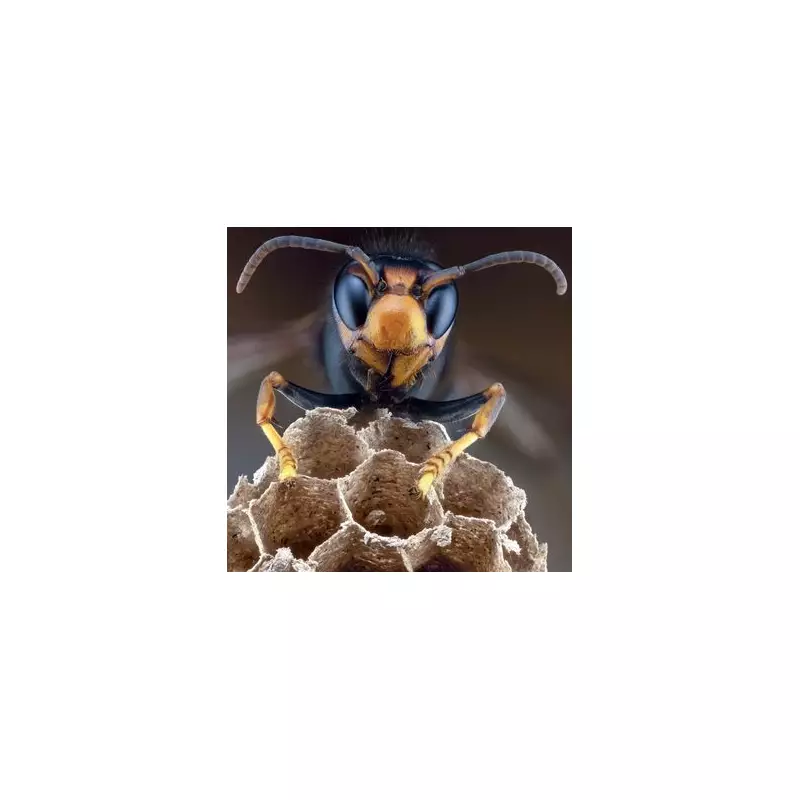
Asian Hornet Invasion Reaches Wales as UK Confirms Record Sightings
For the first time, the invasive Asian hornet has been confirmed in Wales, marking a significant expansion of this ecological threat across Britain. Government officials are now urging the public to remain "vigilant" and report any suspected sightings, following the discovery of a nest near Wrexham.
First Welsh Nest Discovered and Destroyed
The nest, which was found to be dead upon discovery, represents the inaugural confirmed presence of the species within Welsh borders. This development has prompted immediate action from the Welsh Government, which is collaborating with the National Bee Unit to monitor and manage the situation. "The National Bee Unit has years of experience tracking and locating yellow-legged hornets so their expertise will be invaluable in helping us take action against the insect in Wales," stated Huw Irranca-Davies, Deputy First Minister of Wales.
He extended gratitude to beekeepers and vigilant members of the public while emphasising the need for continued awareness: "We need everyone to become familiar with what yellow-legged hornets look like. As the weather warms up in the spring and especially on into the summer, please continue to be vigilant."

Record-Breaking Year for Hornet Sightings Across the UK
This Welsh discovery comes against the backdrop of an unprecedented surge in Asian hornet activity throughout the United Kingdom. Last year shattered previous records, with authorities confirming:
- 161 nests located and destroyed nationwide.
- 176 additional sightings verified through laboratory testing.
- As many as 544 credible sightings reported to the Department for Environment, Food and Rural Affairs (Defra).
These figures represent a dramatic increase from 2023, which saw 57 confirmed sightings and 73 nests destroyed, underscoring the accelerating spread of this invasive species.
Ecological Impact and Threat to Native Bees
While the Asian hornet poses no greater direct health risk to humans than a typical bee, its ecological impact is severe. The species is a voracious predator, presenting a critical danger to native honeybee populations. A single hornet can decimate between 60 to 90 honeybees in just one day.
These hornets employ a hunting strategy known as "hawking," where groups target bee hives, leading to significant colony losses. Their diet is not specialised; they are opportunistic feeders known to consume an estimated 1,400 different insect species, including:
- Honey bees and bumble bees
- Butterflies and hoverflies
- Various beetle species
Historical Spread and Distinction from Other Species
The Asian hornet (Vespa velutina) first entered Europe accidentally in 2004, believed to have arrived in a shipment of pottery from China. It has since established itself across the continent, with confirmed populations in France, Belgium, Spain, the Netherlands, Italy, Switzerland, Germany, and Portugal.
It is crucial to distinguish this species from the larger Asian giant hornet found in North America. The UK variant has been sighted in England since 2016, and its confirmed presence in Wales signals a worrying new chapter in the battle against this invasive predator. The combined efforts of government agencies, beekeepers, and an alert public will be essential in mitigating its spread and protecting vital pollinator populations.