Archaeologists have made a startling discovery in the deserts of Saudi Arabia, unearthing the remarkably preserved remains of cheetahs dating back an astonishing 1,800 years.
A Remarkable Find in the Arid Landscape
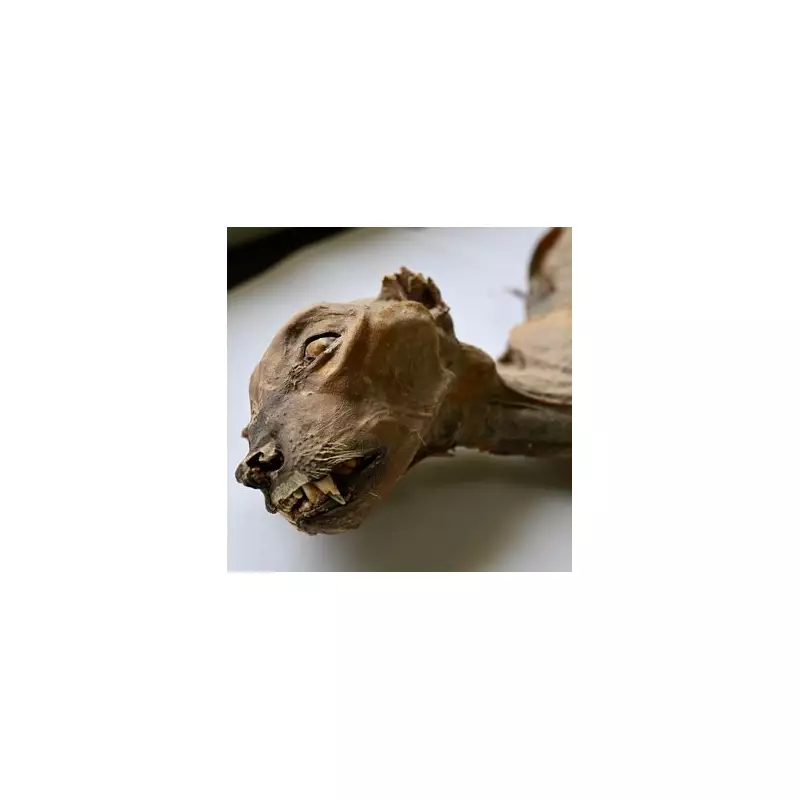
The excavation, conducted near the city of Arar, yielded a significant collection of seven complete mummies and bones from 54 other cheetahs. The mummified remains show an incredible age range, from approximately 130 years old to over 1,800 years old. Photographs reveal the creatures in a state of natural preservation, with cloudy eyes and shrivelled limbs, appearing as dried husks.
Experts are intrigued by the concentration of remains at this single site. While the exact reason for the accumulation is still under investigation, one leading theory suggests the location may have served as a long-term denning site where mother cheetahs repeatedly gave birth and raised their cubs across centuries.

Natural Mummification and Genetic Insights
Unlike the famous intentionally preserved mummies of Egypt, this preservation occurred naturally. The cave's specific conditions of dryness and stable temperature prevented decay, while also protecting the carcasses from scavengers like hyenas and birds. Such extensive preservation of large mammals is exceptionally rare.
In a scientific breakthrough, researchers successfully analysed genetic material from the ancient remains. The DNA showed the closest relation to modern cheetah populations in Asia and northwest Africa. This genetic data is invaluable, as Joan Madurell-Malapeira from the University of Florence, Italy, noted, calling the find "something that I’ve never seen before."
Implications for Modern Conservation
This discovery holds profound significance for contemporary conservation. Cheetahs, which once roamed widely across Africa and Asia, have vanished from 91% of their historic range and have not been seen on the Arabian Peninsula for decades. Their decline is attributed to habitat loss, unregulated hunting, and prey depletion.
The genetic information gleaned from these ancient cats could directly inform future reintroduction programmes in regions where cheetahs have gone extinct. By understanding the historical genetic makeup of populations, scientists can better plan efforts to restore these majestic predators to parts of their former homeland.
The find in Saudi Arabia follows another significant British archaeological discovery, where evidence of a Roman industrial centre was found on the banks of the River Wear near Sunderland, highlighting the continuous process of unearthing our shared past.