Elephant Crisis: From Near Extinction in South Sudan to Overpopulation in Zimbabwe
Africa's Elephant Divide: Too Few vs Too Many

A profound and troubling divide defines the fate of Africa's elephants today. In the north, nations like South Sudan grapple with populations decimated to a mere fraction of their former glory. Meanwhile, in southern strongholds like Zimbabwe, conservation successes have led to a different crisis: too many elephants in shrinking spaces, escalating deadly conflicts with people. This is the story of a continent wrestling with the extreme outcomes of conservation efforts across vastly different landscapes.

The Lonely End in South Sudan

In January, during South Sudan's dry season, the search was on for the last known elephant in the vast Badingilo National Park. Covering nearly 9,000 square kilometres, the park's final pachyderm was a solitary 20-year-old bull, tracked by a GPS collar and known to move with a herd of giraffes for company. His loneliness was a symbol of catastrophic decline.

Fifty years ago, an estimated 133,500 elephants roamed what is now South Sudan. Today, according to US conservationist Mike Fay, that number has plummeted to about 5% of the historic population. Fay, who works with the NGO African Parks, manages a conservation area roughly the size of Nepal, calling it "the greatest conservation opportunity on Earth, but also one of the greatest challenges."

Despite the discovery in 2023 of the world's largest land mammal migration here, elephants have not been spared. In villages like Maruwa in Boma, a hunter admitted he last killed an elephant six years ago for food and sold the ivory for a pittance. The stark reality of poverty fuels poaching. "Who cares about an elephant when you're losing your brothers?" asked David Liwaya, an African Parks community officer. Tragically, in late 2025, news confirmed Badingilo's last elephant had been killed by suspected poachers.

Overpopulation and Conflict in Southern Africa

Roughly 3,200 kilometres to the south, the narrative flips. In Zimbabwe, a road sign outside Victoria Falls airport warns of elephants on the move. In townships like Mkhosana, stories of human-wildlife conflict are commonplace, worsened by climate-induced drought.

Fransica Sibanda was recently widowed when an elephant trampled her husband near their home. "I now live in fear," she said, demanding the park install a fence. A neighbour, Ireene Nyathi, witnessed a man being crushed by an elephant against her wall. "I think the elephant should be found and shot," she stated bluntly. These harrowing accounts contrast sharply with the tourist experience of serene safari lodges.

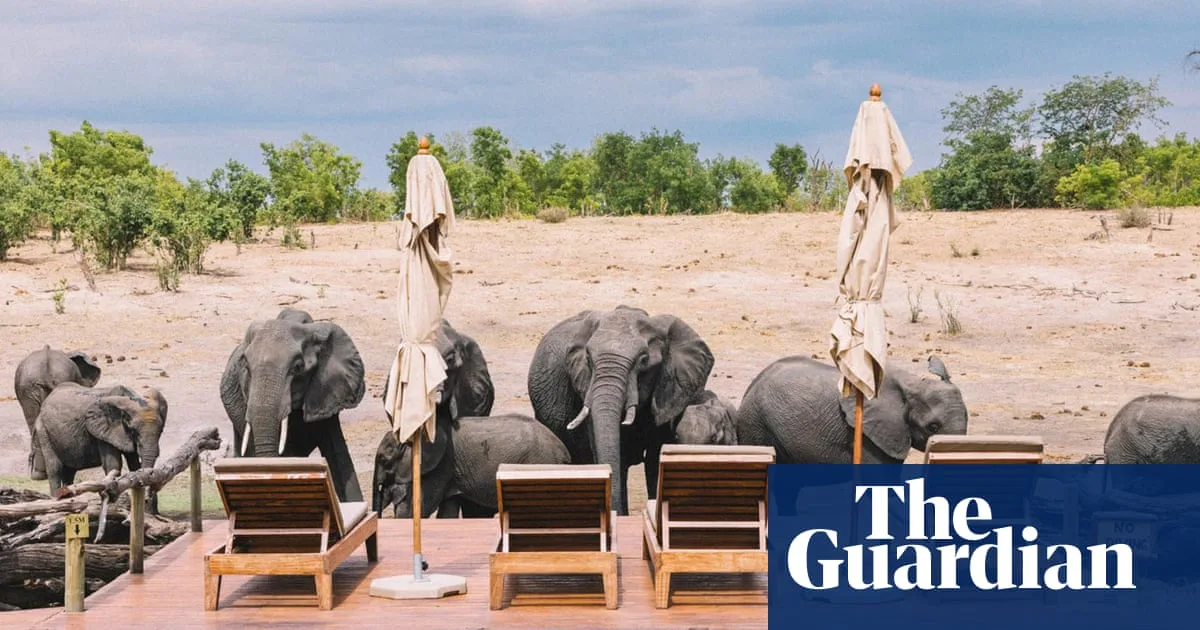
In Hwange National Park, a herd drinking from a lodge's swimming pool presents a perfect marketing image. Yet, the reality is an ecosystem under severe strain. Safari guide and conservationist Rob Janisch notes that about 60,000 of Zimbabwe's 100,000 elephants converge on Hwange in the dry season—double the area's sustainable capacity. Artificially pumped water holes, installed in the 1920s, disrupted natural migration patterns, leading to overpopulation and environmental degradation.

Searching for Solutions Across a Continent

Faced with surging numbers, southern African governments are considering contentious measures. In late 2024, Zimbabwe and Namibia announced significant new elephant culls, often involving big-game hunters for revenue. Botswana also debated reintroducing the practice. Many locals resent outside criticism. "You can't sit in Paris and tell us what is happening in Zimbabwe," said taxidermist Godwill Ruona.

On the ground, communities are trying deterrents like chilli fences, bonfires, and high-voltage rhino fencing. Translocation is another tool—African Parks moved 500 elephants across Malawi in 2016—but funding cuts make large-scale operations difficult. The core issue remains: elephants need vast, connected spaces to roam, which are increasingly fragmented by human settlement.

These contrasting crises in South Sudan and Zimbabwe share a common thread: in an age of mass extinction, finding a balance for coexistence is not just an ecological imperative but a matter of survival for both people and wildlife. The fight for Africa's elephants is being waged on two brutal fronts, and failure is not an option.