A devastating new study has revealed that more than 60,000 African penguins starved to death off the coast of South Africa following a catastrophic collapse in sardine numbers. The research, published in the journal Ostrich: Journal of African Ornithology, points to the combined impacts of the climate crisis and overfishing as the primary drivers behind this ecological disaster.
A Population in Freefall
The research focused on two of the species' most vital breeding colonies on Dassen Island and Robben Island. It found that more than 95% of the African penguins in these colonies perished between 2004 and 2012. Scientists believe the breeding birds succumbed to starvation during their annual moulting period, a vulnerable time when they must fast on land for around 21 days.
Dr Richard Sherley from the University of Exeter's Centre for Ecology and Conservation, a co-author of the study, explained the grim mechanics. "To survive this fasting period, they need to fatten up beforehand. If food is too hard to find before they moult or immediately afterwards, they will have insufficient reserves to survive the fast," he said. The deaths are so widespread that carcasses are rarely found; "our sense is that they probably die at sea," Sherley noted.

The Disappearing Sardine
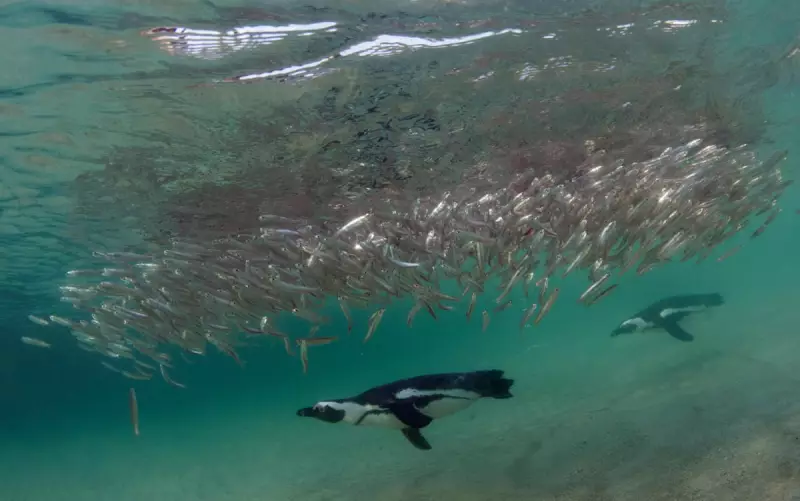
The study identified a stark correlation between the penguin deaths and the plummeting population of the sardine species Sardinops sagax. For nearly every year since 2004, the sardine biomass off western South Africa has fallen to just a quarter of its maximum recorded abundance. This fish is a critical food source for the penguins.
Changes in ocean temperature and salinity have severely disrupted the sardines' spawning success. Despite this alarming decline, commercial fishing pressure in the region has remained persistently high. The paper's authors describe the losses in these key colonies as indicative of a wider crisis, with Dr Sherley stating, "These declines are mirrored elsewhere." Overall, the African penguin species has suffered a population crash of nearly 80% over the past three decades.
Critical Status and Conservation Efforts
In 2024, the African penguin was officially classified as critically endangered, with fewer than 10,000 breeding pairs estimated to remain in the wild. Conservationists are fighting a multi-front battle to prevent extinction. Actions include building artificial nests to protect chicks, managing predators, and hand-rearing vulnerable birds.
One significant regulatory measure has been the ban on commercial purse-seine fishing around South Africa's six largest penguin-breeding colonies. Dr Azwianewi Makhado, a study co-author from South Africa's Department of Forestry, Fisheries and the Environment, said this is hoped to "increase access to prey for penguins at critical parts of their life cycle."
However, independent experts warn that the situation remains dire. Professor Lorien Pichegru, a marine biologist at Nelson Mandela University, called the study's findings "extremely concerning," highlighting "decades-long mismanagement of small fish populations in South Africa." She stressed that the data only runs until 2011 and the situation has not improved, urging that "addressing extremely low levels of small fish stocks required urgent action, not only for African penguins but also for other endemic species depending on these stocks."