The government has launched its most significant water industry reforms in decades, promising to leave companies with 'nowhere to hide' from poor performance. The plans, set out in a Water White Paper published on Tuesday, follow years of public anger over soaring bills, supply failures, and rampant sewage pollution.
A New Watchdog and 'MOT' Tests for Infrastructure
Central to the overhaul is the replacement of the current regulator, Ofwat, with a new, more powerful single watchdog. This body will have clear powers to enforce accountability in a system the government describes as 'broken'. It will end the current situation where oversight is split between four different bodies.
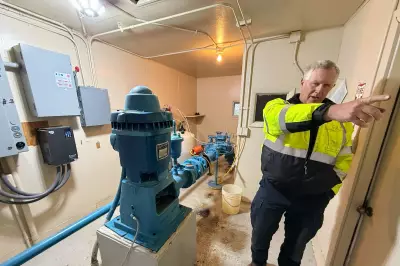
A key new requirement will force water companies to conduct regular 'MOT'-style checks on critical infrastructure, such as the condition of pipes and pumps. The aim is to prevent local crises from spiralling into widespread emergencies.

Environment Secretary Emma Reynolds stated: "These are once-in-a-generation reforms for our water system - tough oversight, real accountability, and no more excuses. Water companies will have nowhere to hide from poor performance."
Powers to Act Fast and Compensate Customers
The new regulator will operate dedicated supervisory teams for each company, moving away from a one-size-fits-all approach. It will also have the authority to carry out 'no notice' inspections to catch problems before they escalate.
When firms underperform, a new Performance Improvement Regime will allow the regulator to 'act fast and fix failures'. For customers, a new Water Ombudsman will be established with legally binding powers to resolve complaints, ensuring quicker responses and fairer compensation.
The reforms come amid ongoing disruption, such as the recent incident where burst pipes at South East Water left an estimated 30,000 properties across Kent and Sussex with low pressure or no supply.
Investment and Mixed Reactions
The government says the plans are backed by £104 billion of private investment over the next five years. This includes £11 billion to improve around 2,500 storm overflows and nearly £5 billion to upgrade wastewater treatment works.
Reaction to the White Paper has been mixed. Mike Keil of the Consumer Council for Water welcomed "closer and more thorough scrutiny" to rebuild trust. However, Tim Farron of the Liberal Democrats argued the paper "does not go far enough."
James Wallace of River Action called measures "welcome steps" but warned of "major gaps," particularly on agricultural pollution. The government will now introduce a Water Reform Bill to enact the necessary legislation.