Water Bills Set for 5.4% Increase from April Amid Major Infrastructure Investment
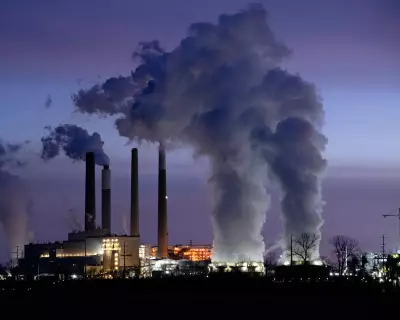
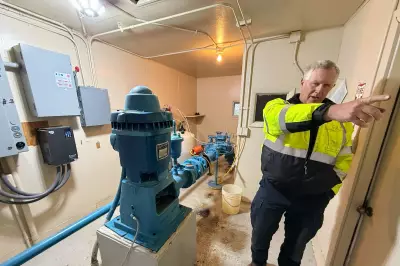
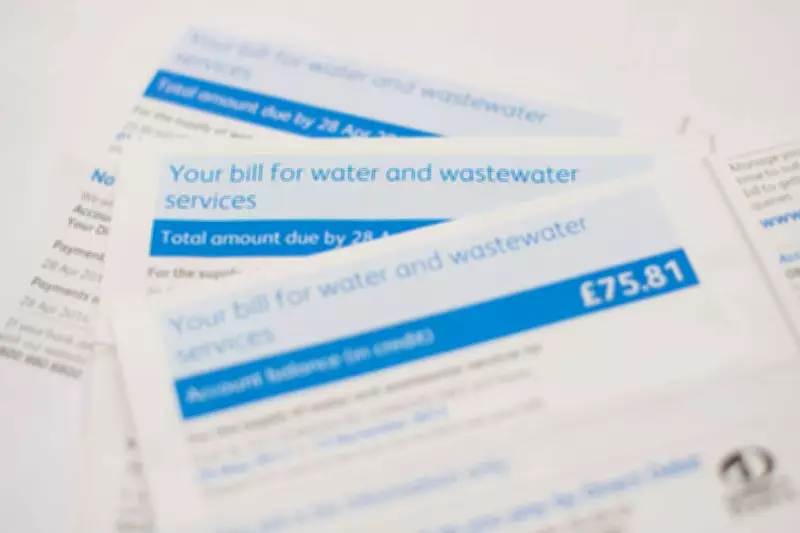
Household water bills across England and Wales are poised to rise by an average of 5.4% starting in April, according to industry confirmation. This increase translates to an additional £33 per year for the typical household, a move that comes as water companies prepare to invest a substantial £20 billion over the 2026-27 period to enhance water security and combat sewage pollution in rivers and seas.
Public Anger Over Sewage and Rising Costs
There has been mounting public frustration regarding the frequent discharge of sewage into waterways, a situation worsened by the need for bill increases to fund essential upgrades after years of insufficient investment. The industry regulator, Ofwat, has permitted water firms to implement a cumulative 36% rise in bills between 2025 and 2030. A significant portion of this increase—20%, or an average of £86—was already applied in last April's annual adjustment.
The Consumer Council for Water (CCW) has expressed concern, noting that customers are "impatient for change and need to see compelling evidence their money is being well spent." This sentiment is echoed by a 51% surge in complaints about water companies in 2025, primarily driven by affordability issues and dissatisfaction with previous bill hikes.

Regional Variations in Bill Increases
The rise in water bills is not uniform across the country, with notable regional disparities. Customers of Severn Trent will face a 10% increase, while Sutton and East Surrey Water are imposing an 11% rise. Bristol Water customers will see a 12% hike, and those served by Affinity Water in the central region have been warned of a 13% jump.
In a specific case, South East Water is raising bills by an average of 7% to £324 annually. This follows recent supply disruptions, including days of outages this month attributed to Storm Goretti, which caused burst pipes and power failures. A similar incident last month left 24,000 residents in Tunbridge Wells without drinking water for two weeks.
Investment and Customer Protections
Water UK has emphasised that the revenue generated from increased bills will be strictly allocated to infrastructure projects that have been independently verified as "new, necessary and value for money." To safeguard customers, a money-back guarantee has been instituted, ensuring automatic refunds by the regulator if promised improvements are not delivered.
Currently, more than two million households benefit from assistance through social tariffs, the WaterSure scheme, and other affordability measures. This support is expected to expand by an additional 300,000 households in the coming year.
Industry and Regulatory Perspectives
David Henderson, Chief Executive of Water UK, stated: "We understand increasing bills is never welcome, but the money is needed to fund vital upgrades to secure our water supplies, support economic growth and end sewage entering our rivers and seas. While we urgently need investment in our water and sewage infrastructure, we know that for many this increase will be difficult. That is why we will help around 2.5 million households—more than ever before—with average discounts of around 40% off their water bill."
Mike Keil, Chief Executive of CCW, highlighted the growing affordability crisis: "We've seen complaints brought to CCW about the affordability of water bills almost triple in the past year and further bill rises will compound people's worries. People support investment in improving services, but they are impatient for change and need to see compelling evidence their money is being well spent. A stronger safety net is also needed for those who simply can't afford these bill rises."

Chris Walters, Interim Chief Executive of Ofwat, outlined specific targets: "By April 2027 we are expecting water companies to have installed more than eight million water meters in homes to help customers manage their bills, to have replaced almost 3,000km of piping that will ensure customers experience fewer supply disruptions, and reduce sewage spills from storm overflows by 30% from 2024 levels. These are just three examples that will help us reach our collective goal of cleaner rivers and seas, more resilient water supplies and better services for customers and the environment."
Criticism from Environmental Campaigners
Environmental groups have voiced strong criticism of the current system. Rob Abrams, Campaign Manager at Surfers Against Sewage, argued: "Nearly a third of our water bills are swallowed up servicing the water company debt pile and shelling out dividends whilst we get sick from sewage. So why should we believe this time will be any different? Water isn't a commodity. It's a necessity. Yet it's being milked for profit while sewage is pumped into our waters. This broken system rewards greed and failure, and the only solution is a full system reset to put people and planet first. Nothing less will do."
James Wallace, Chief Executive of River Action, added: "When the water sector brags about 'record investment', what it really means is that bill payers, not water companies, are being forced to pick up the tab for decades of failure. The privatised, pollution-for-profit model has failed. Until water companies are owned and governed for public and environmental benefit, using long-term patient capital, we will keep seeing regulatory failure and polluted rivers."