
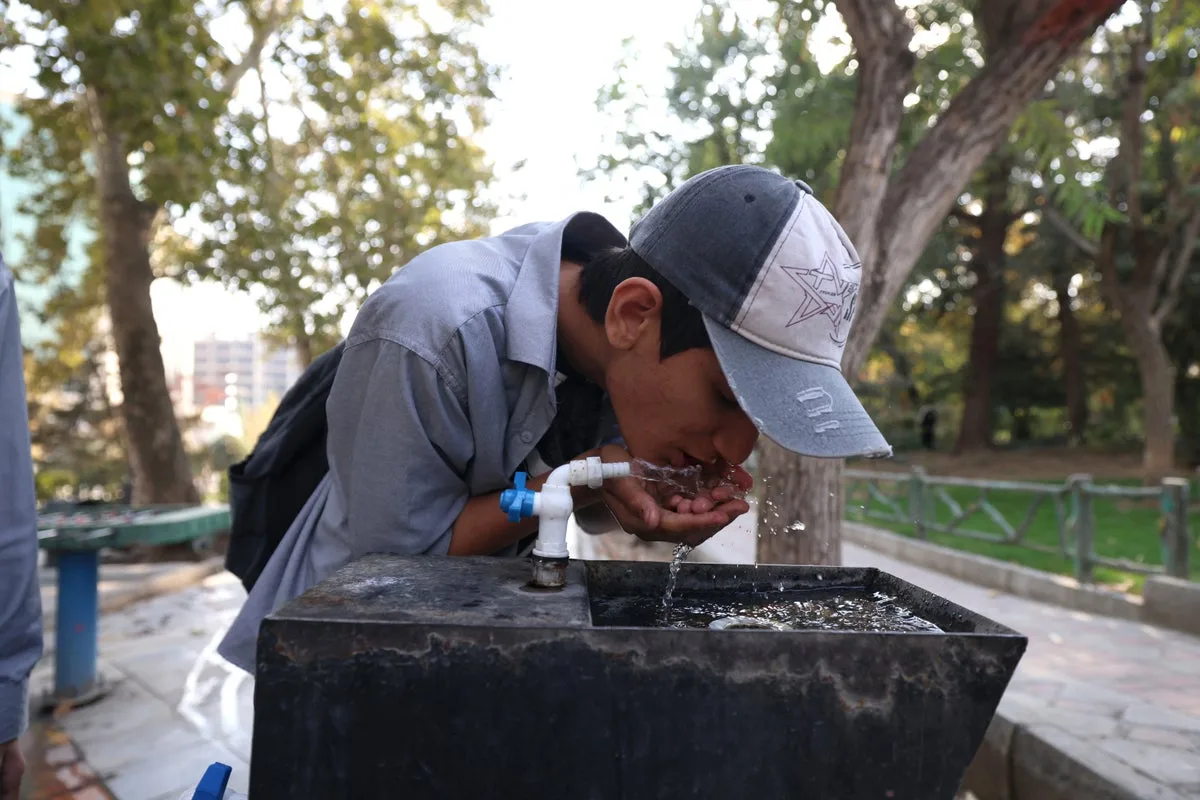
Tehran may be forced to evacuate due to a severe water crisis, with experts warning that all taps in the city could soon run dry. Officials say the Iranian capital is facing a 'Day Zero' moment in the near future, when water supplies are completely exhausted.
Iran has endured six years of severe drought, with Tehran's rainfall in the first two months of the current water year—starting 1 October—at near zero. Reservoir levels are dangerously low, prompting measures such as reduced water pressure, rationing discussions, and supply cuts. More radical solutions, including evacuation or relocating the capital, have been suggested if rain does not return.
Kaveh Madani, director of the UN's University Institute for Water, Environment and Health, told Canada's CBC: 'We are talking about a few days or even weeks of water left for Tehran. Day Zero is near—a day that the taps would run dry.' In early November, President Masoud Pezeshkian warned: 'If it doesn't rain in Tehran by late November, we’ll have to ration water. And if it still doesn’t rain, we’ll have to evacuate Tehran.'
The September to November period was the driest in 50 years, with rainfall 89 per cent below the long-term average. Pezeshkian described the situation as 'extremely critical', citing dam reservoirs at their lowest in 60 years, some as low as 10 per cent capacity. The Latyan Dam in east Tehran is only about 9 per cent full, while the Karaj dam, supplying a quarter of the city's drinking water, stands at 8 per cent.
Tehran's population has nearly doubled from 4-5 million in the late 1970s to over 10 million today, while water consumption has surged from 346 million cubic metres per year in 1976 to 1.2 billion cubic metres. Agriculture consumes about 80 per cent of Iran's freshwater, often through inefficient irrigation. Outdated practices and policies placing water-intensive industries in arid regions have been criticised. Some officials have accused the US of 'cloud theft', though evidence is lacking.




