
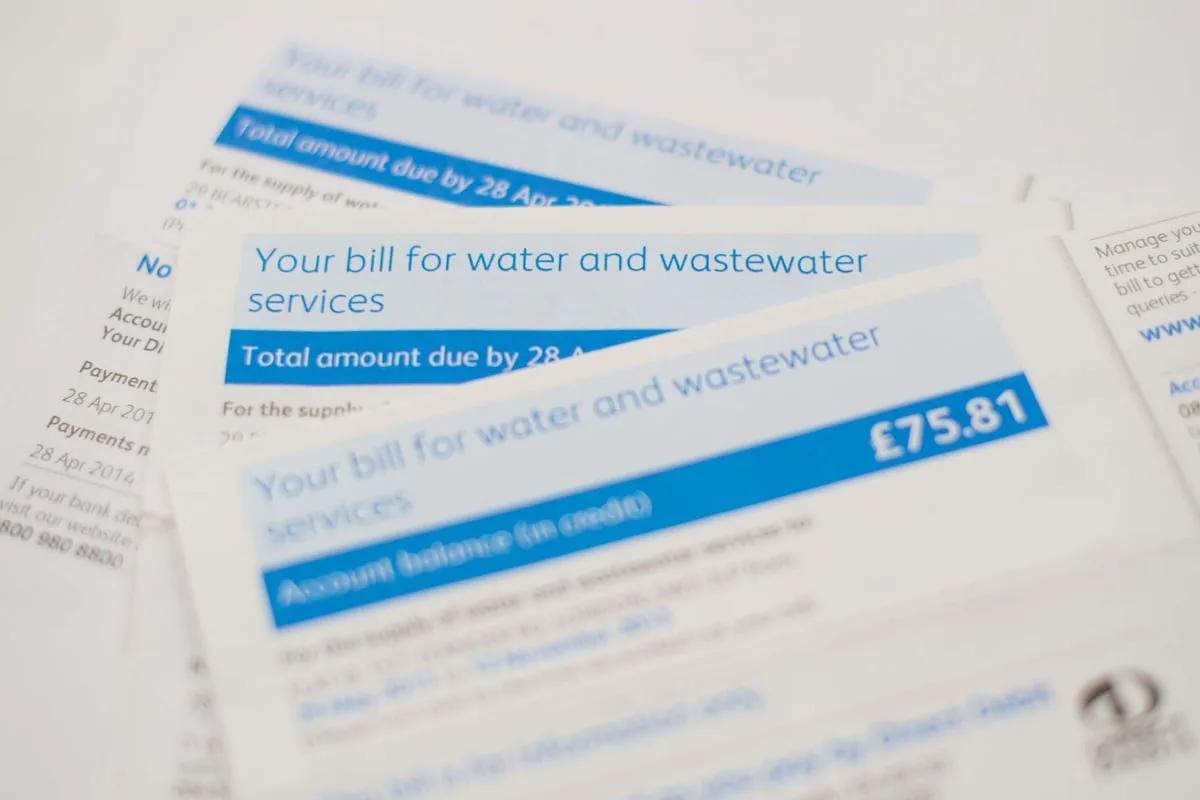
Water bills across England and Wales will rise by an average of 5.4% from April, pushing the typical annual cost to £639, according to Water UK. The increase, which adds £33 to yearly bills, comes just a year after many households faced substantial hikes, with some seeing rises of £10 per month.
The rise is two percentage points above the current inflation rate of 3.4%, prompting calls for stronger support for struggling customers. The Consumer Council for Water (CCW) reported a 51% surge in complaints about water companies in 2025, with affordability concerns dominating. CCW chief executive Mike Keil said: “We’ve seen complaints brought to CCW about the affordability of water bills almost triple in the past year and further bill rises will compound people’s worries.”
Ofwat has permitted water firms to raise bills by 36% between 2025 and 2030, with most of that increase front-loaded onto last year’s rise. The regulator said it will monitor companies' performance and require them to refund customers if they fail to deliver on commitments. Ofwat interim chief executive Chris Walters noted that by April 2027, companies are expected to have installed over eight million water meters, replaced nearly 3,000km of piping, and reduced sewage spills by 30% from 2024 levels.
The increases vary widely by region. Sutton and East Surrey face an 11% rise, Bristol Water 12%, and Affinity Water’s central region 13%. In contrast, Thames Water, which raised prices significantly last year, will increase bills by just 0.4% (£3). South East Water is raising bills by 7% while under investigation for supply failures affecting 30,000 properties.
Water UK defended the rises as necessary for investment, with £20 billion earmarked for upgrades by 2026-27 to secure supplies and end sewage discharges. Chief executive David Henderson said: “We understand increasing bills is never welcome, but the money is needed to fund vital upgrades.” However, campaign group Surfers Against Sewage criticised the system, with campaign manager Rob Abrams stating: “Water isn’t a commodity. It’s a necessity. Yet it’s being milked for profit while sewage is pumped into our waters.”




