Water Minister Emma Hardy has declared that the 'tide is beginning to turn' on the cleanliness of Britain's rivers and seas, as she reaffirmed her commitment to ensuring people can swim and paddle in local waters with confidence.
A Boxing Day Tradition and a Government Goal
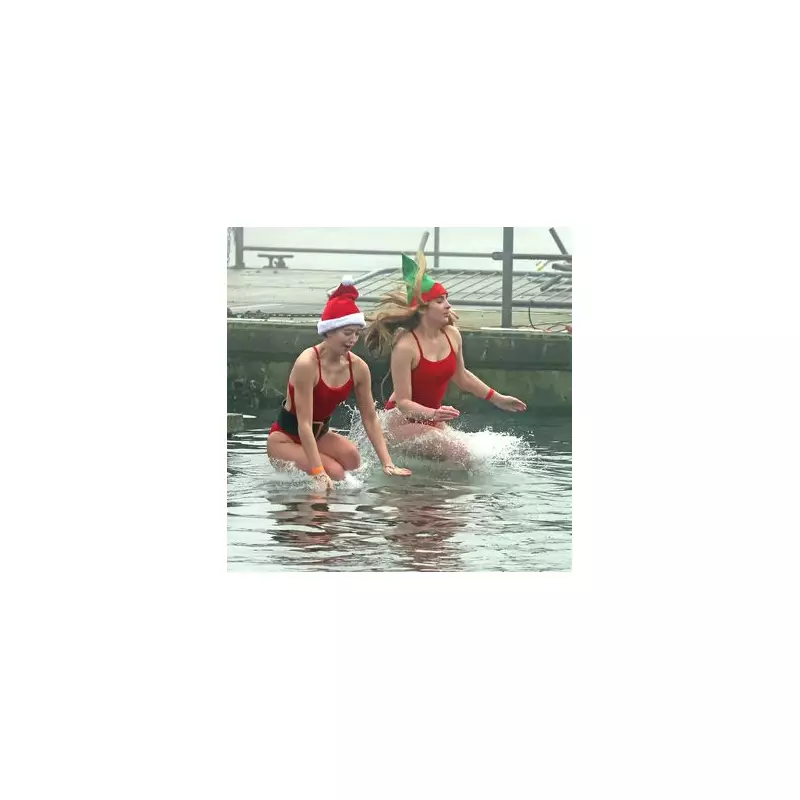
Writing as thousands took part in traditional Boxing Day swims, Hardy reflected on the scale of the water quality issues inherited by the government. She stated her primary objective upon entering office was straightforward: to restore public trust in the nation's waterways for recreational use.
The Minister pointed to recent Environment Agency data as a sign of progress, noting that 93% of designated bathing waters in England now meet the minimum standards for swimming. This marks an encouraging improvement compared to the previous year's results.
Tougher Enforcement and Regulatory Overhaul
A cornerstone of the government's approach has been implementing stricter penalties for water companies. Hardy highlighted the Water (Special Measures) Act, which became law in February, describing it as the toughest enforcement framework the water sector has ever seen.
The legislation introduces criminal liability for water company executives who conceal illegal sewage discharges. It also grants powers to block executive bonuses, a measure already used to stop £4 million in bonuses for ten water bosses this past summer.
Further plans are advancing to impose automatic fines on underperforming companies, ensuring consequences are swift. The budget for water regulation has been significantly increased, with the Environment Agency receiving £189 million for 2025/26 to fund a major rise in inspections.
Long-Term Reform and Infrastructure Investment
Looking ahead, the Minister confirmed that a £104 billion investment has been secured to upgrade vital water infrastructure over the next five years. A forthcoming Water White Paper, expected in the New Year, will detail a pathway for long-term reform, including proposals for a new, single water regulator.
Customer protections have also been strengthened. This summer saw the minimum compensation rates doubled and, for the first time, compensation introduced for boil water notices, offering redress for failures like the recent disruption in Tunbridge Wells.
Monitoring rules for bathing waters are also being modernised to better reflect how and when people actually swim, inspired by encounters with year-round swimmers who break ice to enjoy their local spots.
'Real progress is being made,' Emma Hardy concluded. 'The tide is beginning to turn. But there is more to do.'