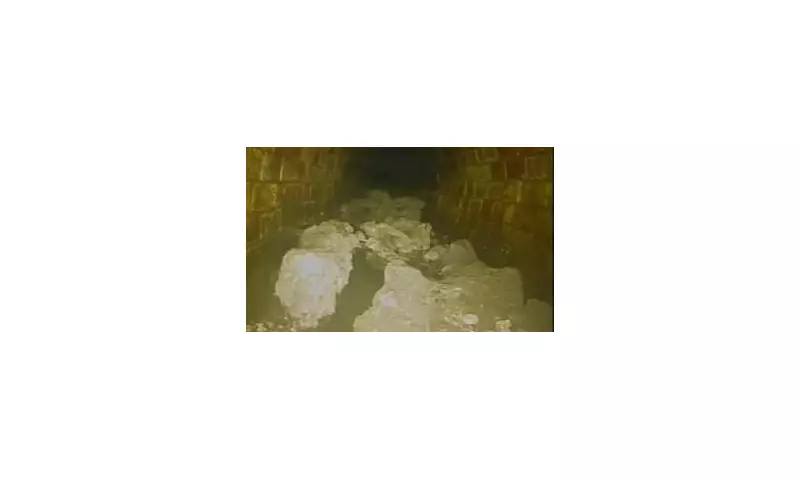
A colossal 100-tonne mass of congealed fat, oil, and grease has been discovered clogging the sewers beneath Whitechapel in east London. The rancid blockage, measuring 328 feet in length, has been dubbed the 'grandchild' of the infamous 2017 fatberg that plagued the same area.
A Festering Legacy Beneath the Streets
The new fatberg was found near the location of its notorious predecessor, which weighed a staggering 130 tonnes and stretched for 820 feet. That 2017 blockage was among the largest ever recorded in the capital, with a sample even going on display at the Museum of London. Thames Water, the utility company responsible, has confirmed that extracting this latest monstrous obstruction could take weeks to complete.
Festive Season Fuels Sewer Crisis
The timing of the discovery presents a particular headache, as the festive period sees a significant seasonal rise in fats, oils, and grease entering the sewage system. Thames Water notes that clearance costs for blockages in December and January alone reach £2.1 million. Tim Davies, head of waste operations for North London at Thames Water, issued a stark warning: "This latest fatberg shows exactly what happens when fats, oils and wipes go down our drains - they don’t disappear, they build up and cause serious damage."
He emphasised the financial impact, stating that the cost of clearing blockages and repairing sewers runs into tens of millions of pounds every year, a cost ultimately borne by customers. The company is urging the public to take simple steps to help:
- Scrape food scraps from plates into the bin before washing.
- Fit plugholes with a strainer to catch solids.
- Avoid pouring liquid foods like gravy, sauces, or cream down the sink.
The Persistent Problem of 'Flushable' Wipes
The issue is compounded by the widespread flushing of wet wipes. A recent study from Cardiff University revealed that wipes marketed as 'biodegradable' may persist in the environment for more than five weeks. Despite packaging claims using terms like 'plant-based' and 'plastic-free', flushing these items is a major contributor to sewer blockages. When combined with fats, they create the solid matrix of mammoth fatbergs that are extremely difficult and costly to remove.
This discovery serves as a grim reminder of the consequences of what gets poured down sinks and flushed into toilets, with the festive season posing an annual peak risk to London's Victorian sewer infrastructure.