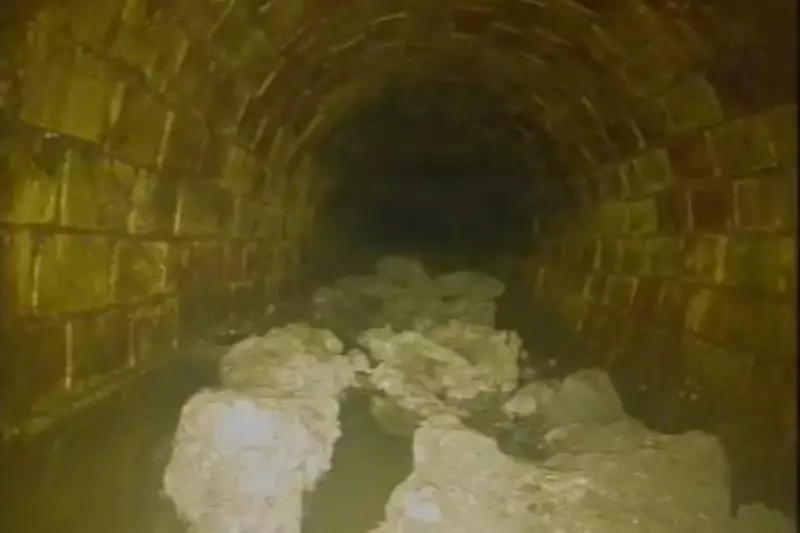
A colossal 100-tonne blockage, known as a fatberg, has been discovered in the sewers beneath Whitechapel in east London. The find has prompted urgent warnings from Thames Water as the festive season approaches.
A Monstrous Discovery in the Depths
The utility company confirmed the fatberg measures a staggering 100 metres in length and weighs approximately 100 tonnes. It is composed of congealed fats, oils, grease, and non-flushable items that have been incorrectly disposed of. Thames Water estimates that the extraction of this immense obstruction could take several weeks to complete.
This new mass has been dubbed 'the grandchild' of a notorious fatberg uncovered in the same Whitechapel area back in 2017. The discovery highlights a persistent and growing problem for the capital's wastewater infrastructure.

The Costly Consequences of Blocked Drains
Clearing such severe sewer blockages and repairing the damage they cause runs into tens of millions of pounds every year for Thames Water. The company has emphasised that these significant costs are ultimately passed on to its customers through their bills.
Research indicates that a major contributor to the problem is household behaviour. Many people are unaware that pouring certain substances down the sink can lead to serious issues. Common culprits include:
- Meat juices and cooking fats
- Leftover gravy and sauces
- Cream and other dairy products
These fatty and oily materials account for 28 per cent of all sewer blockages. When washed away, they cool, solidify, and combine with wet wipes and other non-biodegradable items to form rock-like masses in the pipes.
A Festive Plea to the Public
With the Christmas period being a peak time for cooking rich foods, Thames Water has issued a direct appeal. The company is urging households across London to be extremely mindful of what they pour down their sinks and drains during the holidays.
The recommended practice is to let fats, oils, and grease cool and solidify in a container, then dispose of them in the general waste bin, rather than rinsing them away. Simple actions like scraping plates into the food waste bin before washing can make a substantial difference.
This latest discovery serves as a stark reminder of the hidden consequences of our daily habits. Preventing fatbergs not only protects the sewer system but also helps to keep water bills lower for everyone.