Tech Worker's Personal Crusade Against Brooklyn Bridge Litter
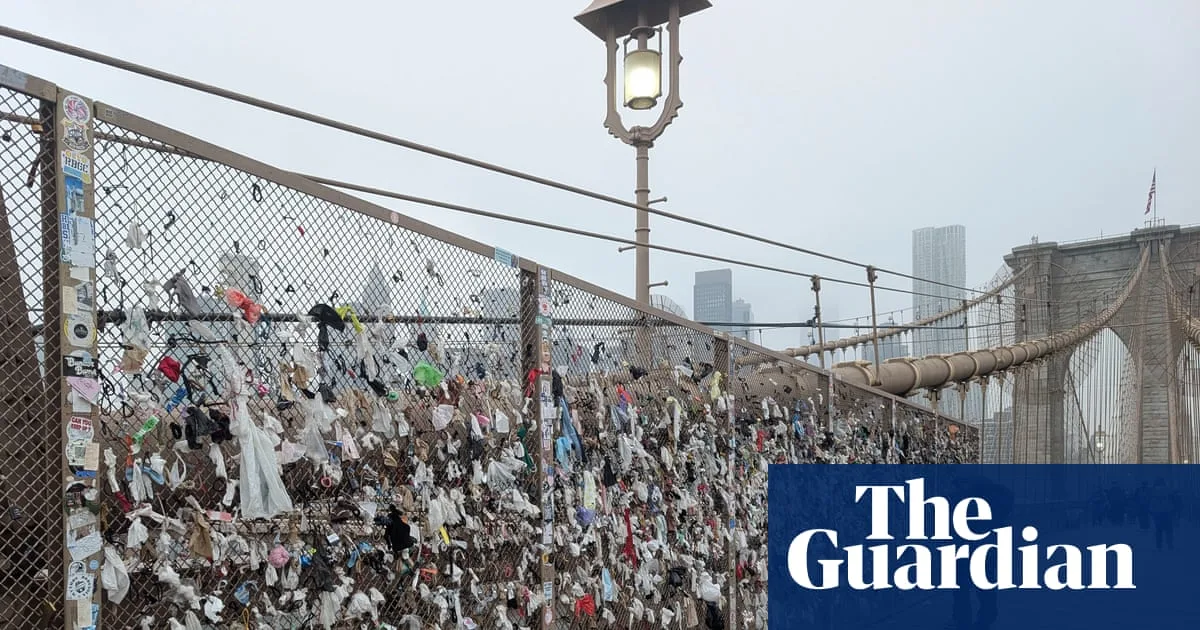
On a bitterly cold morning earlier this month, Ellen Baum, a 37-year-old tech professional, walked across the iconic Brooklyn Bridge with a heavy heart. "I had read particularly horrible news that morning about, you know, the general state of the world," Baum recalled. Her mood darkened further as she observed the detritus clinging to the bridge's structure: dirty tissues, hair ties, trash bags, socks, and even condoms and tampons woven into the fencing.
"I can't do anything about some of these big problems that the world and the city are facing," Baum said. "But I can do one modicum of something nice." With that resolve, she embarked on a personal cleanup mission, targeting the north side of the littered section. It took her eight days and approximately 16 hours to complete, working in shifts of 90 minutes to two hours.
A Historic Landmark Turned Dumping Ground
The Brooklyn Bridge, celebrating its 143rd anniversary this year, is a titan of New York's skyline and a National Landmark. According to the city's department of transportation, an estimated 28,845 pedestrians traverse it daily. However, this heavy foot traffic has turned the bridge into an unofficial dumping ground for various forms of vandalism.
Since at least the mid-2000s, visitors have engaged in the practice of attaching love locks—padlocks inscribed with names—to the bridge and throwing the keys into the East River for good luck. Those without locks, as Baum notes, opt for more conspicuous vandalism by hanging hair ties, tissues, and socks. This littering phenomenon is not unique to New York; similar issues plague landmarks worldwide, from Paris's Pont des Arts to bridges in London, Budapest, and across the United States.
Local governments often prohibit such practices, with fines ranging from $100 in New York to reduced penalties in cities like Venice. Despite official efforts, including the transportation department's use of boltcutters to remove locks, the problem persists, exacerbated by social media trends and tourist activities.
Community Response and Ongoing Challenges
Baum's cleanup crusade has garnered attention from local media and concerned New Yorkers, inspiring others to join the effort. She views the bridge as her "back yard," living nearby in Brooklyn Heights. "You can find community in the strangest places," she remarked, highlighting the grassroots support for her initiative.
However, challenges remain. During a recent interview with a news team, Baum witnessed a woman tying something to the bridge behind her. "People put things up as I'm cleaning it," she said. "They have no shame." This ongoing defiance underscores the difficulty of curbing such behavior, even with community involvement.
Dave Colon, who helps run the journalist-owned outlet New York Groove, is a vocal critic of the littering. In a recent blog post titled "If you tie your garbage to the Brooklyn Bridge you should be thrown off the bridge," he urged visitors to reconsider. "There are so many other ways in which you can mark your time at the Brooklyn Bridge that you just do not have to leave us with your awful fucking garbage," Colon asserted.
Historical Context and Cultural Impact
The tradition of love locks dates back further than social media trends. A first world war-era Serbian folktale tells of a schoolteacher who died heartbroken after her lover married another, leading young women to place locks on a bridge to ward off similar misfortune. Today, the Brooklyn Bridge attracts about 11 million pedestrians annually, surpassing the Eiffel Tower's 7 million visitors, making it a prime site for such practices.
Baum, undeterred by the scale of the problem, plans to coordinate monthly meetups for community cleanups. "I'm not a curmudgeon," she said. "I have a lot of love in my life, but I've never felt the need to make a physical marker of it on a historic landmark." Her efforts, alongside groups like Pick Up Pigeons, represent a growing movement to preserve the bridge's integrity and combat urban littering.
As Baum continues her work, she emphasizes the importance of individual action in addressing larger societal issues. While she may not solve global problems, her dedication to cleaning the Brooklyn Bridge serves as a powerful reminder that small acts of kindness can inspire community and change.




