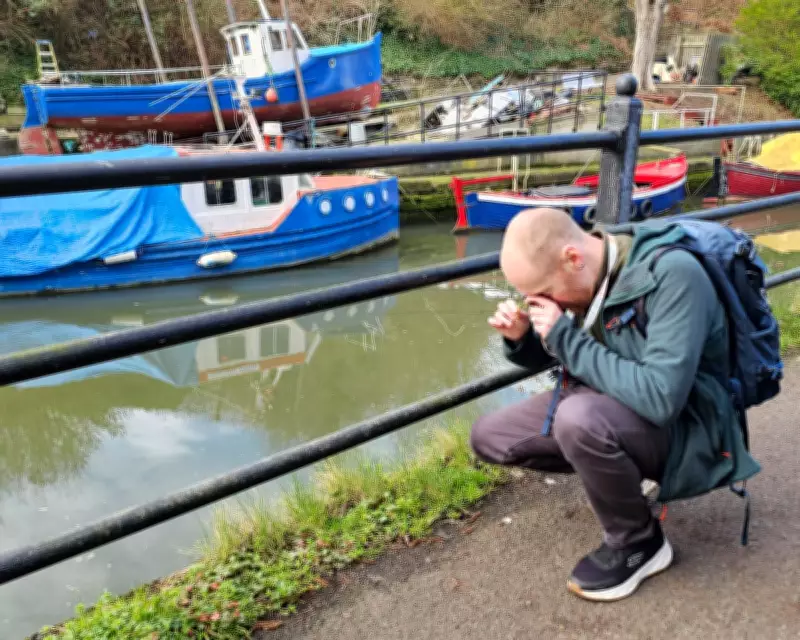
A recent riverside stroll has unveiled a fascinating narrative of the city's past, meticulously inscribed not in stone or text, but in the diverse flora that lines the water's edge. This botanical country diary entry delves into how common and rare plants serve as living archives, chronicling centuries of urban development, industrial activity, and ecological change.
Botanical Clues to Historical Layers
Along the riverbank, observers can spot species that hint at the area's industrial heritage. Plants such as Buddleja davidii, commonly known as butterfly bush, often thrive on old brickwork and derelict sites, indicating former factories or warehouses. Similarly, the presence of Rumex obtusifolius, or broad-leaved dock, suggests areas once used for waste disposal or heavy machinery, as these plants are tolerant of disturbed, nutrient-rich soils.
Native Species and Ecological Shifts
Interspersed among these industrial markers are native species like Alnus glutinosa (alder) and Salix alba (white willow), which have likely grown along the river for millennia. Their persistence offers a glimpse into the pre-urban landscape, while invasive species such as Himalayan balsam and Japanese knotweed tell a more recent story of global trade and accidental introductions, reshaping the local ecosystem.

This botanical tapestry reflects broader environmental trends, including:
- Pollution resilience: Certain mosses and lichens, which are sensitive to air quality, show recovery in cleaner post-industrial areas.
- Climate adaptation: Warmer temperatures have allowed Mediterranean herbs to establish, subtly altering the riverside's character.
- Conservation efforts: Planted wildflowers and managed grasslands indicate modern initiatives to boost biodiversity.
Urban Ecology as a Living Museum
Beyond mere observation, this riverside walk highlights how urban ecology functions as a dynamic museum, where each plant species contributes to a collective memory of the city. From the remnants of Victorian gardens to the scars of 20th-century industry, the flora encodes stories of human habitation, economic shifts, and environmental policy. For botanists and casual walkers alike, these green corridors offer a unique lens through which to interpret history, emphasizing the interconnectedness of nature and urban life in an ever-evolving landscape.