A new global Green City Index has definitively identified the world's most environmentally progressive urban centres, evaluating factors including green space percentage, air quality, and accessibility to public outdoor areas. The research provides a crucial benchmark for sustainable urban development, highlighting cities that successfully balance population density with ecological preservation.
Oslo's Remarkable Green Dominance
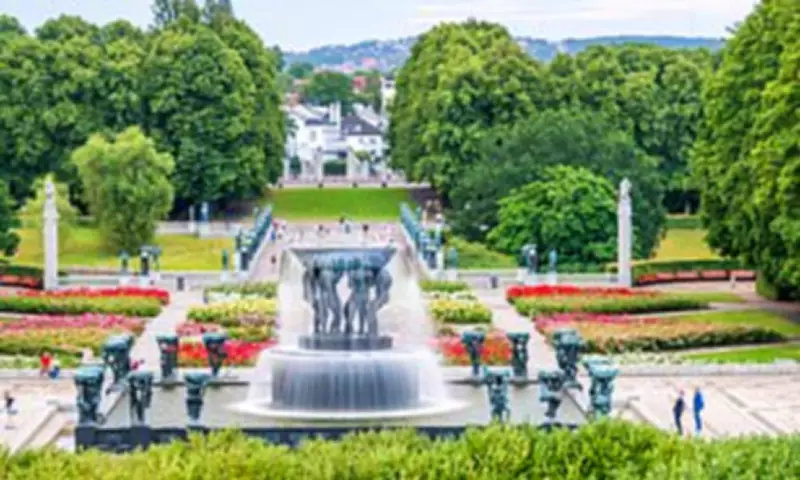
Norway's capital, Oslo, has been crowned the world's greenest city according to comprehensive research conducted by Iglu. Despite being home to over 724,000 residents, this bustling metropolis achieved an impressive overall score of 77.3 out of 100. The city's most remarkable statistic reveals that a staggering 95 percent of Oslo's inhabitants live within just 300 metres of accessible green space.
Oslo's environmental credentials extend far beyond mere proximity to parks. The city boasts exceptional air quality standards and has implemented innovative ecological initiatives including a pioneering 'bee highway' established in 2015. This creative conservation project established a continuous route of flowers and green rooftop gardens specifically designed to protect the city's endangered bee populations.

Further demonstrating Oslo's commitment to urban greening, the city has transformed numerous former parking spaces into 'pocket parks' - small but significant green oases that contribute to the city's overall ecological footprint while providing residents with immediate access to nature within the urban landscape.
Reading: Britain's Green Urban Champion
The United Kingdom's sole representative in the global top ten, Reading in southern England, achieved a commendable ninth place ranking. This historic town dedicates an impressive 35 percent of its total area to public green spaces, with the Abbey Quarter beautifully integrating historic ruins with the meticulously maintained landscapes of Forbury Gardens.
Reading's environmental strategy has been fundamentally shaped by its innovative 'Rivers and Parks' initiative, which creates direct ecological connections between the Thames and Kennett rivers and the town centre. This integrated approach to urban planning demonstrates how historical development can successfully coexist with contemporary environmental priorities.
Global Green City Rankings
The comprehensive Green City Index revealed the following top ten performers worldwide:
- Oslo, Norway
- Vilnius, Lithuania
- Helsinki, Finland
- Vienna, Austria
- Canberra, Australia
- Sydney, Australia
- Stockholm, Sweden
- Singapore
- Reading, United Kingdom
- Munich, Germany
European Green Capital Recognition
Vilnius, which secured second place in the global rankings, has previously been designated as the European Green Capital for 2025, recognized for its significant expansion of green public transport networks and outdoor recreational spaces. The Lithuanian capital recently hosted the European Green Capital Awards ceremony where Heilbronn, a city in southwest Germany, was officially announced as the European Green Capital for 2027.
This prestigious event brought together municipal leaders from across the continent to celebrate exceptional achievements in urban sustainability. Heilbronn earned its distinction through outstanding performance across multiple environmental metrics including air quality, water management, noise reduction, climate change adaptation, and circular economy implementation.
The German city has demonstrated substantial commitment to ecological development through its comprehensive 'Landscape Plan 2030' and forward-thinking 'Mobility Concept'. Meanwhile, the European Green Leaf Awards for smaller cities were presented to Assen in the Netherlands and Siena in Italy, recognizing their significant contributions to sustainable urban development.
This comprehensive research underscores the growing global emphasis on creating urban environments that prioritize environmental quality alongside economic development, with cities worldwide increasingly recognizing that abundant green space, clean air, and accessible natural areas represent fundamental components of modern urban living rather than optional luxuries.