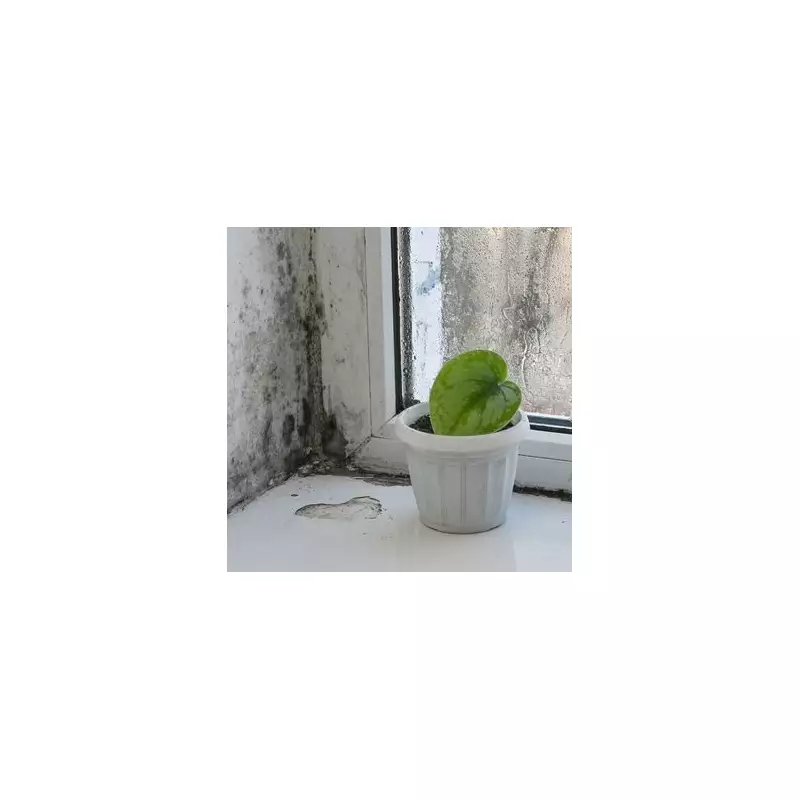
January is notoriously the worst month for mould in British households, but a simple and natural solution could be sitting on your windowsill. Experts have identified five common house plants that can help prevent mould growth, offering an affordable and effective defence against this winter menace.
Why Mould Thrives in Winter
During the colder months, UK homes become a breeding ground for mould. Windows stay closed, heating systems run constantly, and daily activities like boiling kettles, cooking, and drying laundry indoors release significant moisture into the air. This humid air becomes trapped and, when it meets cold surfaces like windows and walls, condenses into water droplets. This creates the perfect damp environment for mould spores to flourish, leading to the unsightly and toxic patches that plague countless homes every January.
Five Mould-Fighting Plants for Your Home
Research, highlighted by the Bloom Buddy Plant Care App on TikTok, shows that certain houseplants can act as natural air purifiers and dehumidifiers. Here are the five varieties recommended for their mould-combating properties.

English Ivy is a top performer, especially for compact bathrooms. Studies have proven it can remove up to 60% of airborne mould spores. It thrives in humid conditions but requires bright, indirect light and moist soil. Be aware it is toxic to pets if ingested.
Peace Lily is another elegant solution. This plant absorbs mould spores directly through its leaves, making it ideal for humid spaces. Like ivy, it is poisonous, so keep it away from curious cats and dogs.
Snake Plant (Dracaena trifasciata) is perfect for beginners. It's resilient, survives in low light where mould often thrives, and cleverly extracts excess moisture from the air to help prevent dampness.
Boston Fern flourishes in steamy bathrooms. While it increases humidity slightly, it simultaneously removes the airborne particles that cause mould, provided it gets enough sunlight and water.
Palms, particularly reed palms, act as natural dehumidifiers by absorbing excess moisture through their leaves. Research also shows they help remove chemicals like formaldehyde, creating an environment where mould struggles to grow.
A Natural Defence Against Damp
Integrating these plants into different rooms offers a proactive, chemical-free way to manage indoor humidity and combat mould. For optimal effect, match the plant to the room's conditions—such as placing moisture-loving ferns or ivy in bathrooms. This January, alongside ensuring good ventilation, these green allies can provide a powerful and pleasant line of defence for a healthier home.