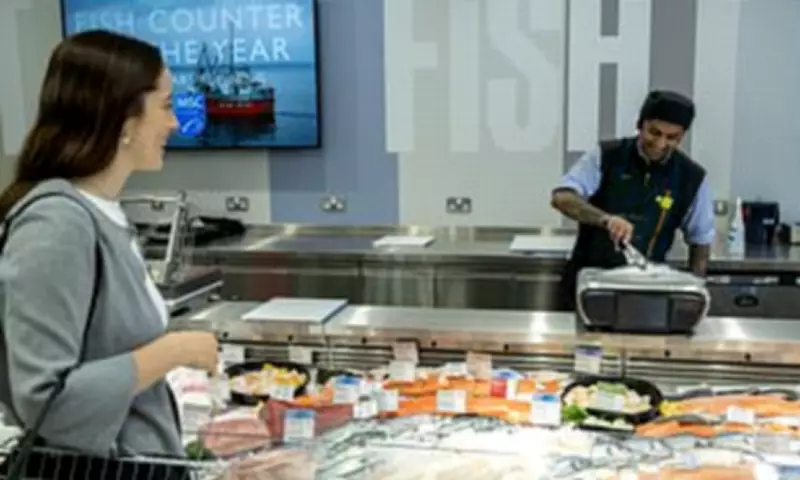
Waitrose Takes Stand Against Overfishing by Removing Mackerel from Shelves
Waitrose has announced a significant decision to suspend all sourcing of mackerel products amid growing concerns about overfishing that threatens the long-term survival of the species. The luxury supermarket chain will cease selling fresh, chilled, and frozen mackerel by April 29, with tinned mackerel following once current stock is depleted.
First British Supermarket to Take This Action
Waitrose claims it is the first British supermarket to implement such a comprehensive suspension of mackerel sourcing. The fish is commonly found off the coast of Scotland and has been a staple in British supermarkets for decades. This bold move comes in response to repeated failures by various governments to implement catch reductions recommended by scientific bodies.
Jake Pickering, head of agriculture, aquaculture and fisheries at Waitrose, explained the decision: 'By suspending sourcing of mackerel at Waitrose we are reinforcing our ethical and sustainable business commitments, acting to tackle overfishing and protect the long-term health of our oceans and this crucial fish. Our customers trust us to source responsibly, and we are closely monitoring the fishery.'

Scientific Recommendations Ignored
The International Council for Exploration of the Sea (ICES) had recommended a dramatic 70 percent reduction in catches this year for all mackerel stocks in the north-east Atlantic. However, with stocks repeatedly fished above sustainable levels, the recommendation for 2026 would require an even more substantial 77 percent reduction from the 755,143 tonnes scientists estimated would be caught in 2025.
Waitrose acknowledged that a December decision by four coastal states to cut catches by 48 percent represented progress but emphasized this still fell significantly short of ICES scientific advice. The supermarket stated there is currently no predetermined timeframe for when mackerel might return to their shelves, noting they would only resume sourcing once the fishery meets their high sustainability standards.
Conservationists Applaud Decision
Conservation organizations have welcomed Waitrose's decisive action. Charles Clover, co-founder of the Blue Marine Foundation, revealed alarming statistics: mackerel - one of the largest remaining commercial fish stocks in the north-east Atlantic - has declined by 75 percent over the last decade due to overfishing by nations including the UK.
'They have put too little effort into the task of reaching agreement on a sharing arrangement - and some countries have been awarding themselves more quota than is justified by science,' Clover stated. 'This crisis has been ignored for too long. We hope that this action by Waitrose sends it to the top of the political agenda.'
Sustainable Alternatives Introduced
As part of their response, Waitrose is launching a new range of sustainable fish products to replace mackerel. These include hot smoked herring, hot smoked peppered herring, and hot smoked sweetcure seabass - all certified by the Marine Stewardship Council (MSC). From May, the retailer will also introduce MSC-certified frozen sardines as a sustainable replacement for frozen mackerel.
In a significant industry development, Waitrose plans to become the first retailer to sell 100 percent MSC-certified tinned sardines. The supermarket emphasized it will maintain relationships with existing mackerel suppliers while sourcing the new herring, seabass, sardines, and trout products through current supplier partnerships.
Broader Industry Implications
Marija Rompani, director of ethics and sustainability at the John Lewis Partnership, highlighted the broader context: 'We believe sustainable food production must balance climate action, nature protection and responsible fish sourcing is fundamental to protecting our oceans. We will continue to work closely with suppliers and industry partners to support the recovery and responsible management of fish stocks.'

Clover warned that the mackerel situation reflects a wider failure in fisheries management: 'The plight of the mackerel is part of a wider failure to take scientific advice intended to keep stocks healthy and able to recover from fishing pressure. Last year more than half of UK catch limits were set above sustainable levels. It's why cod, whiting, herring, pollock and haddock have all collapsed in recent years in the Celtic Sea.'
Conservationists are now urging other supermarkets to follow Waitrose's example, hoping this corporate action will pressure governments to implement scientifically-recommended catch limits and ensure the long-term sustainability of marine ecosystems.