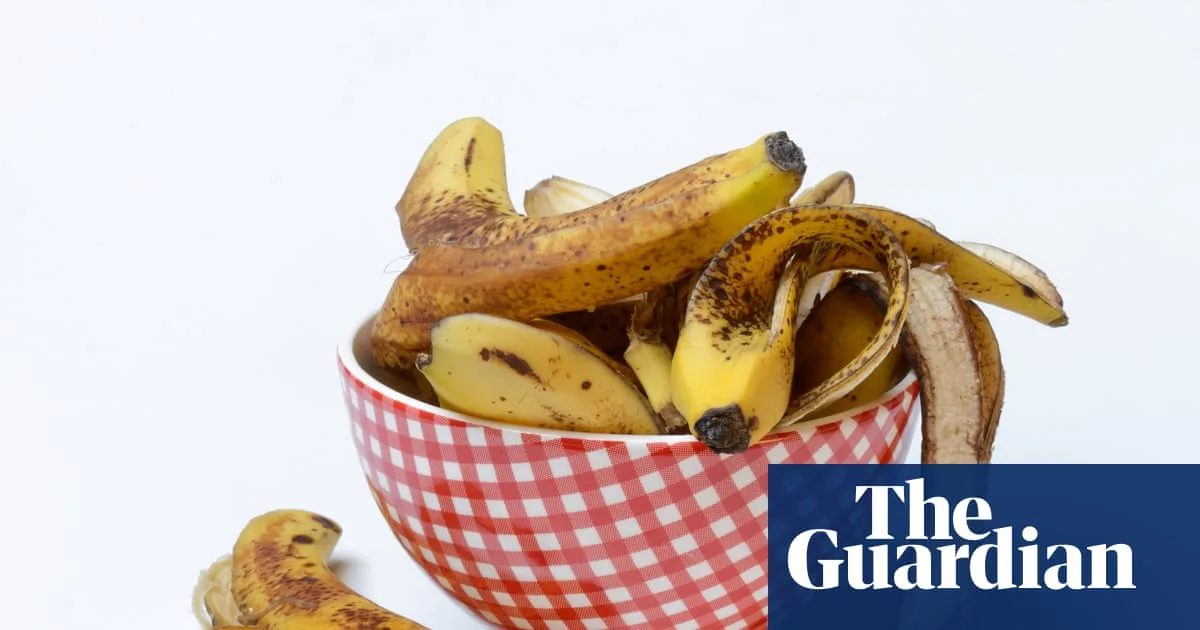
Have you ever finished a banana and wondered if the leftover peel could be put to good use in your home? You're not alone. Across social media platforms, a simple gardening hack has taken root: the idea that soaking banana skins in water creates a powerful, natural fertiliser for your plants, promising lusher leaves and more vibrant blooms.
The Viral Hack: How to Make Banana Water
The method promoted online is straightforward. Gardeners are instructed to place banana peels into a jar, cover them with water, and let the mixture steep. After a period, the resulting liquid is strained and used to water houseplants and garden flowers. The theory is sound at its core, as bananas do contain potassium, along with small amounts of phosphorus, magnesium, and calcium—nutrients that plants need.
However, this is where the science becomes murky. While the nutrients are present, there is no way to measure the concentration or balance of the fertiliser you are creating at home. It is a completely unregulated and unpredictable concoction. The recommended practice, if attempting it, is to steep a fresh peel for no more than 24 hours, strain the liquid thoroughly, and then dilute it further before any application.
Putting the Trend to the Test
To see the effects firsthand, we conducted a simple experiment. Two similar peace lily plants were cared for under identical conditions, with one key difference. One plant received a dose of the homemade banana water, while the other was fed with a standard, shop-bought liquid fertiliser designed for indoor foliage.
The results were revealing. Over time, the plant fed with banana water showed no visible improvement in growth or vitality compared to its counterpart. More concerning were the unintended side effects. The soil of the banana-treated plant developed a slimy surface layer and, perhaps most off-putting, attracted a small cloud of fruit flies. The rotting organic matter in the pot created a perfect environment for these pests.
The Final Verdict on Natural Plant Food
The core issue is one of dietary balance. Much like humans, houseplants thrive on a consistent and complete intake of nutrients. A random splash of kitchen waste water does not provide the reliable, balanced diet that potted plants require to flourish. Commercial fertilisers are carefully formulated to deliver the correct NPK (nitrogen, phosphorus, potassium) ratio.
Using banana peel water indoors primarily risks creating a nuisance. Rotting peel can bring unpleasant smells, slimy mould, and fruit fly infestations to your living space. If you are determined to experiment with this method, it is far safer to keep it outdoors. Consider using the diluted banana water on garden beds or borders, where soil ecosystems are more complex and robust, and any pests are less intrusive.
Ultimately, while the desire to reduce waste and find natural solutions is commendable, for the health of your prized houseplants, a dedicated, balanced fertiliser remains the most effective and hassle-free choice. This viral hack, though well-intentioned, is likely to cause more problems than it solves on your indoor windowsill.




