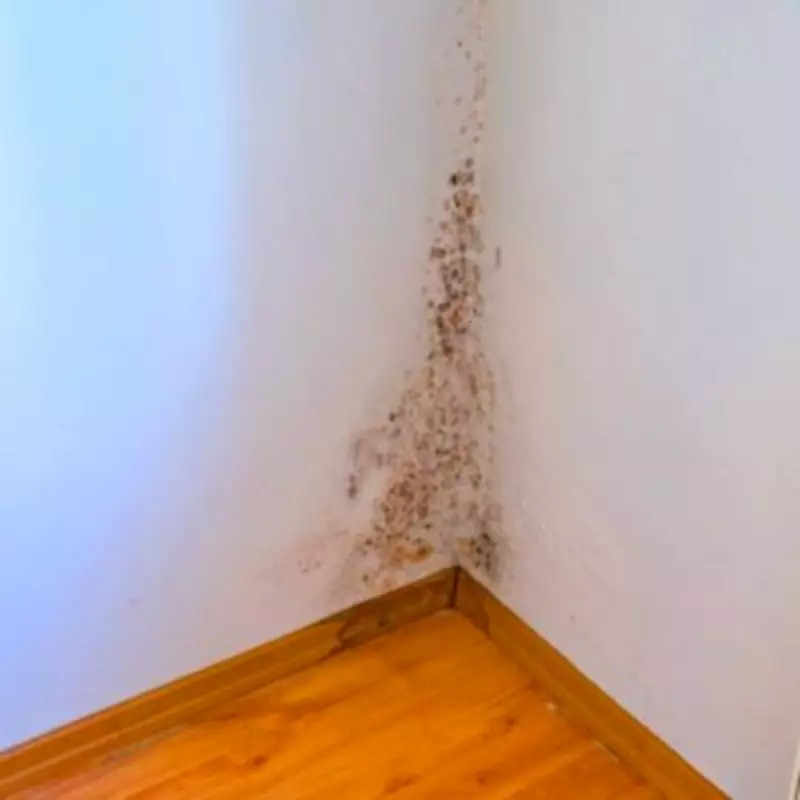
If you are concerned about mould forming in your home, there is a remarkably affordable and natural method to keep it at bay that requires no chemical products or intensive cleaning routines. This approach leverages the power of everyday houseplants to tackle excess moisture effectively.
The Winter Mould Problem
February often brings relentless rain and fierce winds that force many of us to stay indoors. Unfortunately, this damp weather can cause significant issues inside our homes. Mould becomes a prevalent concern during this season, as the frigid temperatures lead to tightly shut windows, causing indoor humidity levels to rise sharply.
Excess moisture accumulates from daily activities such as showering, cooking, or drying laundry indoors. A clear indicator that mould might be developing is condensation—water droplets forming on windows—which can drip onto windowsills and create an ideal environment for mould spores to flourish in wallpaper, wood, or nearby furniture.

How Houseplants Help
Fortunately, experts at Plants For All Seasons have highlighted a natural yet potent solution to combat mould and condensation. Specific houseplants are excellent at absorbing excess humidity from the air.
They explained: "Mould and condensation can be a common problem in homes, particularly in areas with high humidity. Certain houseplants can help to remove excess moisture from the air and reduce the growth of mould and mildew."
Various tropical species, which have become popular houseplants across Britain, naturally thrive on rainforest floors where they receive limited rainfall due to dense overhead canopies. These plants draw moisture from the air through their foliage, helping to lower indoor humidity levels and making it much less likely for mould or condensation to take hold.
You do not need to spend a fortune on exotic specimens to address dampness; many common houseplants work brilliantly, and most are available at local supermarkets.
Which Houseplants Are Effective?
Golden Pothos
Golden Pothos features beautiful heart-shaped leaves often adorned with striking green-and-yellow patterns. They are incredibly low-maintenance—even if you forget to water them for two weeks, they typically bounce back without issue.
You can place them in any damp area of your home, but note they are mildly toxic to pets, so position them in an elevated spot away from curious cats or dogs.
Peace Lilies
Peace Lilies are an excellent choice for fighting mould while also being visually stunning, with their large, glossy leaves and elegant white flowers.
Not only do they tackle excess moisture, but they are also renowned for purifying the air of harmful substances. They typically thrive without much natural light, meaning they can happily reside in almost any corner of your house.
However, Peace Lilies are toxic to pets if ingested and can be somewhat particular about their watering schedule, requiring a bit more attention.
Boston Ferns
Boston Ferns are celebrated for their delicate, feathery fronds that look lush and full. They absolutely adore humidity and are known to help trap airborne dust particles.
This makes them an ideal option for pet owners, as they pose no risk to cats and dogs. The main drawback is their sensitivity to cold drafts and direct sunlight, so it is best to position them away from windows.
Spider Plants
Spider Plants have elongated leaves that spread outward, featuring distinctive white striped markings. These relatively slow-growing plants are remarkably tolerant if you occasionally miss watering sessions.
They are completely safe around pets and praised for their air-cleansing qualities, as they can eliminate pollutants from indoor spaces.
What is particularly appealing about Spider Plants is their tendency to produce small plantlets, which can be cut off and potted to create additional houseplants at no extra cost.