The Curious Case of Urban Abundance
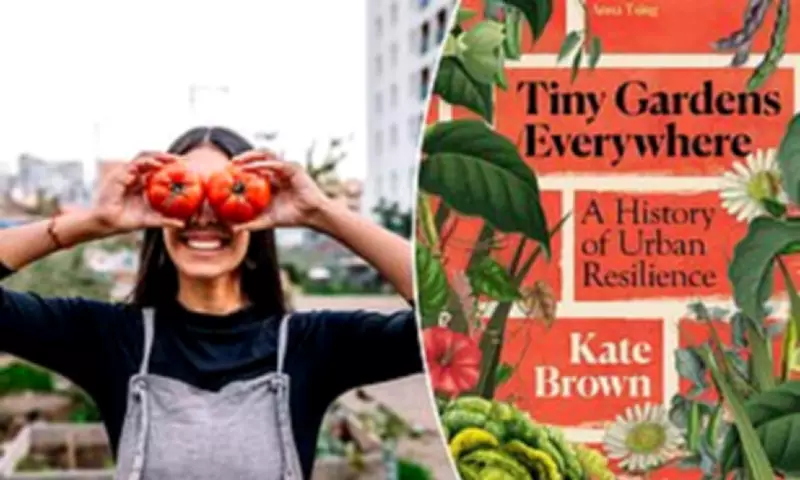
Back in 1899, Russian ecologist Peter Kropotkin observed a fascinating paradox. While catastrophic wheat harvest failures plagued rural Russia, a mere 5,000 gardeners within polluted Paris managed to produce more than enough food to sustain the city's two million inhabitants. This striking contrast between countryside scarcity and urban abundance forms the foundation of American environmental historian Kate Brown's timely new book, Tiny Gardens Everywhere: A History Of Urban Resilience.
Political Hostility to Productive Plots
Curiously, urban agricultural efforts have frequently encountered suspicion and opposition from politicians and town planners throughout history, except during wartime emergencies. Authorities have typically preferred manicured lawns and orderly patios over productive vegetable beds bursting with fresh produce. In contemporary America, numerous gardeners have faced fines for replacing turf grass with edible gardens, demonstrating how this historical tension persists today.
Parisian Secrets: Horse Manure and Mini Greenhouses
In 19th century Paris, the remarkable success of urban gardeners stemmed from an unlikely resource: abundant horse manure. With an estimated 90,000 carriage and freight horses operating within the city, gardeners had access to plentiful natural fertilizer. They developed ingenious techniques, piling manure high in their small plots, planting seedlings directly into it, and covering everything with glass to create miniature greenhouses where vegetables flourished remarkably well.

Washington DC's Black Gardening Legacy
One particularly compelling chapter examines the black gardeners who migrated from the rural American South to Washington DC following the Civil War. These resourceful migrants brought with them seeds for traditional foods that connected them to their heritage—squashes, pumpkins, watermelons, beans, corn, and various fruits. Despite living in cramped urban conditions, they utilized every available scrap of land to cultivate productive gardens.
Ironically, the very neglect their neighborhoods experienced contributed to their gardening success. With outdoor privies common and sanitation workers composting "night soil" to sell back to gardeners, these communities developed fertile growing conditions. Yet city politicians derisively labeled these productive alleyway gardens as "a running sore and disgrace," highlighting the persistent disconnect between urban planning priorities and community resilience.
Biodiversity Benefits and Modern Relevance
Small-scale urban vegetable gardening offers significant biodiversity advantages compared to conventional rural agriculture. Instead of vast monoculture fields, city gardeners typically cultivate diverse plantings that attract pollinators and naturally suppress pests and diseases. As Brown notes, birds and animals increasingly seek refuge in cities from polluted agricultural landscapes, finding sanctuary in these urban green spaces.
The book makes a powerful argument for encouraging more urban gardening, a position recently echoed by the UK's Joint Intelligence Committee. Their warning about potential food shortages if global ecosystems collapse raises urgent questions about food security. Tiny Gardens Everywhere suggests that historical urban gardening successes—from Parisian manure techniques to Washington DC's resilient migrant gardens—offer valuable lessons for contemporary challenges, potentially inspiring a new generation to "dig for victory" in their own urban spaces.