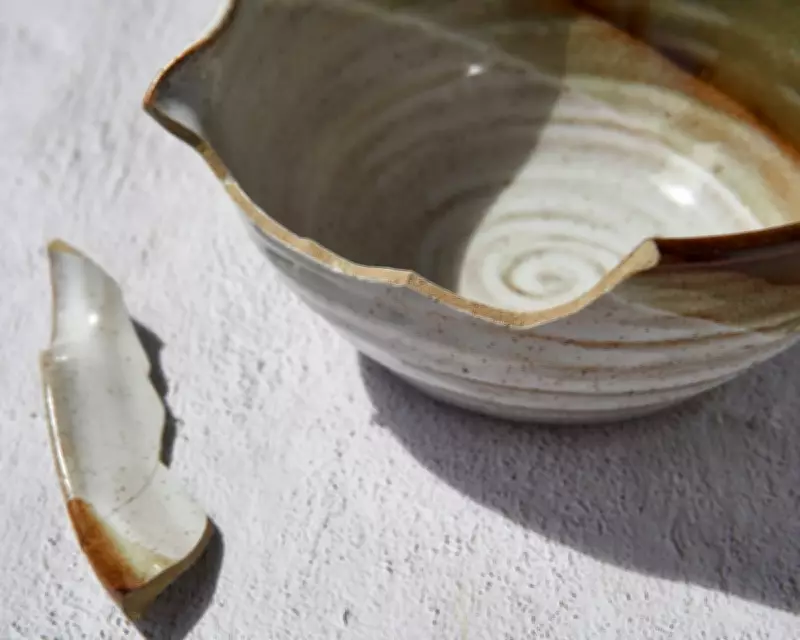
Embracing Imperfection: The Philosophy of Japanese Repair Arts
In a world where broken cups are discarded and ripped shirts are thrown away, Japan offers a profound alternative. Atsushi Futatsuya, a sashiko practitioner, explains, "Choosing to repair is not simply sustainable, it is philosophical. It is a decision to remain in relationship with objects, even after they show signs of wear, when many would consider them to have reached the end of their usefulness." This perspective transforms damage into beauty, allowing objects to accumulate history and become more treasured over time.
Kintsugi: The Art of Golden Joinery
Kintsugi, meaning "art of golden joinery," involves mending broken ceramics with urushi lacquer and gold powder. Kensuke Ikuta of Chimahaga notes that while traditionally reserved for valuable heirlooms, modern society now connects this technique with sustainability. The process is slow, requiring careful curing in controlled environments, but results in gold seams that celebrate breaks rather than hiding them. Beginners should start with minimally damaged pieces and ensure proper humidity and temperature conditions.
- Starter Kits: Chimahaga standard kintsugi kit ($185) or Hiramigakihou kit (around $100).
Sashiko: Stitches That Strengthen
Sashiko, or "little stabs," uses geometric hand-stitching to reinforce fabrics. Futatsuya emphasizes that it resists a culture valuing newness, urging commitment to worn items through strengthening stitches. The beauty is incidental to preservation, adding depth and meaning. Beginners should reinforce vulnerable areas before damage occurs and avoid treating it as purely decorative.

- Starter Kits: Sashiko Story starter package ($67.90) or Olympus sashiko sampler ($13.99).
Boro: The Beauty of Accumulated Repair
Boro results from years of patching and repairing textiles, creating layered fabrics that record family history. Born of necessity in rural Japan, it now inspires sustainable fashion. The focus shifts from appearance to functionality, asking "How can this continue?" rather than "How should this look?" Start by patching garments with simple stitches to extend their life.
- Starter Kits: Yesterday Store Boro Mending Kit ($29) or Socorro Society Visible Mending Kit ($67).
Kumiko: For Want of a Nail
Kumiko involves creating intricate wood patterns without nails or glue, often using old wood scraps. David Gootnick, a practitioner, highlights that all mistakes can be repaired, promoting patience and reflection. Dating to Japan's Asuka period, it distributes light and wind for calmness. Beginners need basic tools like marking knives and can use kits with pre-cut materials.
- Starter Kits: Lee Valley Kumiko Starter Kit ($14.50) or JT Woodworks Kumiko Starter Kit ($145).
Reuse as Art: A Challenge to Modern Consumption
These crafts encourage slowing down, valuing existing possessions, and developing skills over quick fixes. They require patience—kintsugi with curing, sashiko with stitching, boro with time, and kumiko with precision. In a disposable world, they remind us to honor imperfection and build meaningful relationships with objects. Christopher Allbritton, a journalist and DIY enthusiast, draws on personal experience to advocate for repair culture and sustainable living.