
The HS2 high-speed rail project, currently under review and facing potential cancellation, continues to threaten ancient woodlands in Staffordshire and beyond. Environmentalists and local residents are fighting back against what naturalist Chris Packham calls the biggest deforestation project in Britain since the First World War.
According to the Woodland Trust, 108 ancient woods are directly or indirectly affected by the planned route between London, Birmingham, Manchester and Leeds. HS2 Ltd, the government-funded company building the line, claims only a tiny fraction of England's 52,000 ancient woodlands will be destroyed, with 80% left intact. However, critics argue that ancient woodland is irreplaceable due to its undisturbed, chemical-free soil and unique ecosystems.
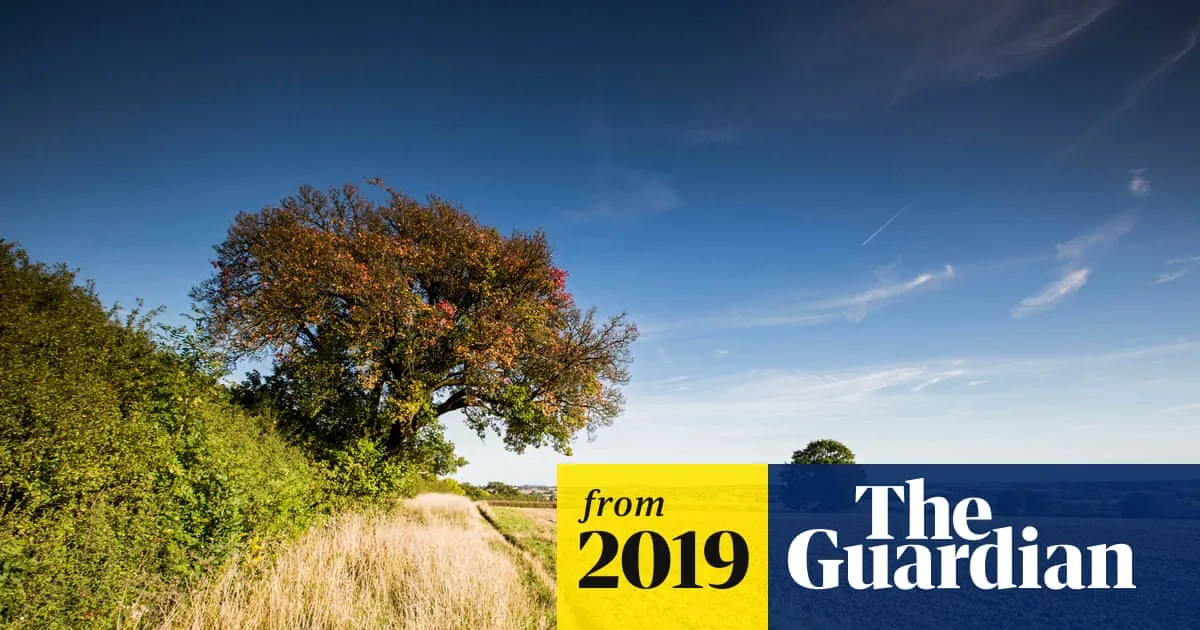
South Cubbington Wood in Warwickshire is one site facing destruction. A deep cutting wider than a motorway will be carved through it, and a 250-year-old pear tree, crowned England's 'tree of the year' in 2015, is surrounded by fencing awaiting removal. Local resident Elaine Barker described the loss as heartbreaking, noting the woods are a sanctuary for wildlife and a vital green space for her asthmatic children.
HS2 Ltd plans to mitigate damage by planting 7 million trees and shrubs, creating 3,300 hectares of new wildlife habitat. In some cases, ancient woodland soil will be relocated to new sites. However, the Woodland Trust insists that no amount of new planting can offset the loss of ancient woodland, which has taken centuries to develop.
Protests have emerged, including a peaceful camp set up near South Cubbington Wood. Barker expressed hope in the community's unity against the project. The government's review of HS2, led by retired engineer Douglas Oakervee, continues, but enabling work for construction has not halted.




