
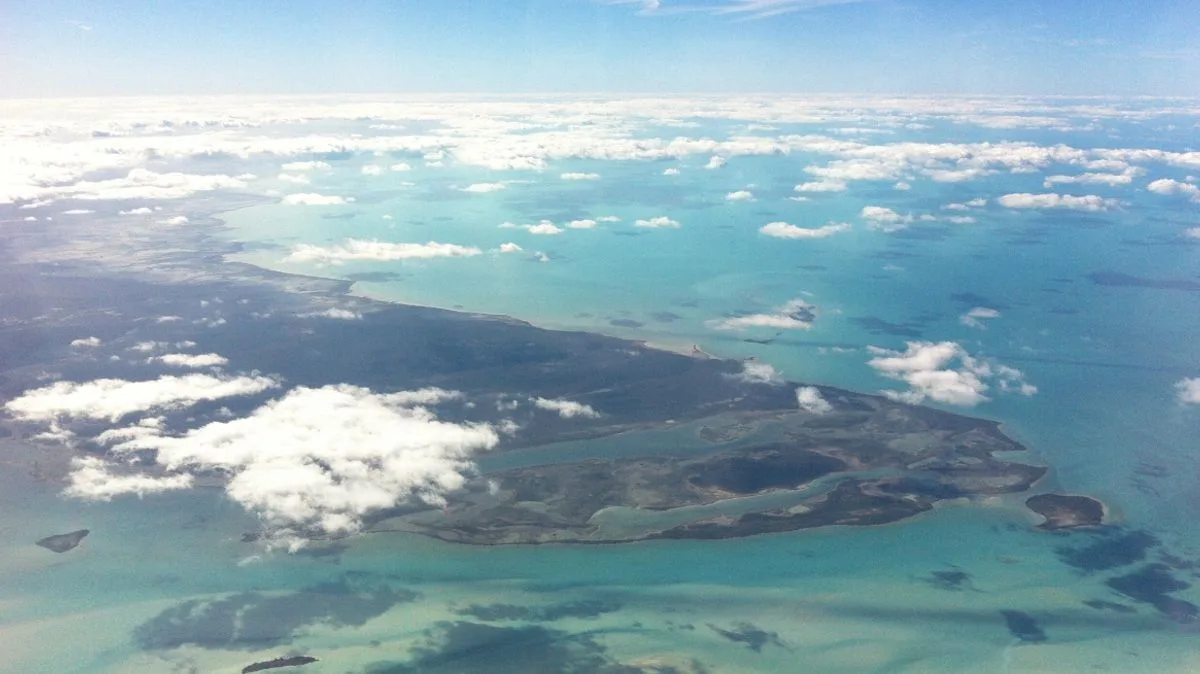
Scientists believe they may have finally solved the mystery of the Bermuda Triangle, a region notorious for the unexplained disappearance of ships and aircraft. According to researcher Ronald Knapper, a combination of environmental factors, including methane gas releases from the ocean floor, could be responsible for the phenomena.
Speaking to What If Science, Knapper suggested that a methane field may have once existed beneath the Triangle, potentially disrupting buoyancy and engines. He noted that the field may have since dissipated, which could explain why incidents have declined in recent years.
The most famous disappearance occurred on December 5, 1945, when five US Navy training aircraft, known as Flight 19, vanished while flying over the area. Pilots reported navigation system failures before losing contact. A rescue aircraft also disappeared, with no debris ever recovered.
Knapper argues that the rise of satellite tracking and GPS navigation in the 1980s, along with better reporting, has reduced the mystery. He states that the Triangle "flourished in an era without instant verification," but modern technology leaves "less room for mystery."
While some theories have involved aliens or time portals, Knapper emphasises that the most plausible explanation involves rare combinations of environmental forces, such as methane releases, which are known to occur in other regions. He concludes that any dangerous convergence may have drifted away as ocean floors shift.




