The 2026 World Cup has upended the old world order, with smaller nations and ordinary people gaining a bigger voice despite interference from Donald Trump and greed from Fifa, according to Simon Tisdall in a Guardian opinion piece. Trump's attempt to influence the USA v Belgium match, by requesting Fifa reinstate a red-carded US player, sparked global condemnation and backfired when the US lost 4-1. This modern morality play highlighted the limits of authoritarianism and the universal power of football.
Underdogs Triumph and Superpowers Falter
In a refreshing shift from conventional geopolitics, superpowers like China, Russia, and the US have struggled. China failed to qualify despite massive investment, Russia was disqualified after invading Ukraine, and the US remains a minor soccer nation. Meanwhile, underdog teams such as Cape Verde, Curaçao, and DR Congo have proudly defied expectations. Eight of the world's ten most populous countries, including India and Indonesia, are absent from the tournament, while minnows like Ecuador and Bosnia and Herzegovina have made their mark.
Multiculturalism and Racial Diversity Celebrated
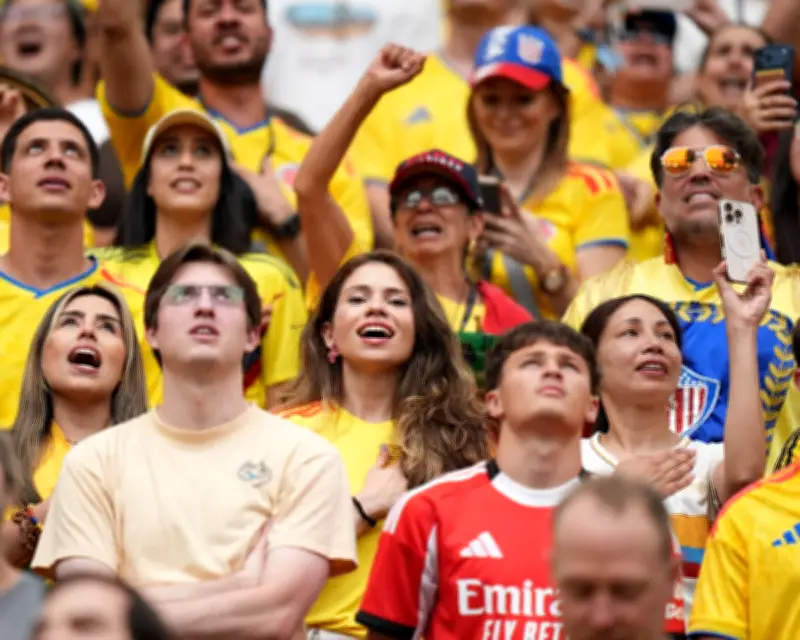
The tournament has become a celebration of bottom-up multiculturalism and racial diversity, offering a rebuke to xenophobic leaders. Teams composed of players from diverse backgrounds have inspired a watching world often told that societies are divided. The welcoming attitude of American fans from Texas to Massachusetts contradicts the angry, migrant-hating image created by the White House. Ugly moments, such as racist slander against Kylian Mbappé, have been met with widespread condemnation, with Mbappé defending himself eloquently, stating, 'Amarilla had disgraced Paraguay's good name.'

Fifa's Greed and Political Interference
Fifa and its president Gianni Infantino have faced criticism for their priorities of power and money. Infantino's tactics include dynamic ticket pricing, overpriced merchandise, and sucking up to autocrats like Vladimir Putin and Trump, to whom he awarded a bogus 'peace prize.' He abandoned fans from Haiti, Côte d'Ivoire, and Senegal who were banned from entering the US by the White House. The European football association Uefa is at odds with Fifa over the USA-Belgium red card row and Russia's reinstatement, mirroring the geopolitical divide between Trump's authoritarians and European democracies.
African Nations Seek Greater Influence
African countries, present in greater numbers than ever, want a bigger say in governance. Egypt's manager Hossam Hassan claimed his team was unfairly penalized to ensure Argentina and Lionel Messi stayed in the tournament, saying, 'It's all about money. They want Messi to stay in the tournament. In football, many things happen off the pitch because of interests. What happened was unfair.' Troubling questions loom over the 2030 World Cup, hosted by six countries, as old monopolistic hierarchies wobble.
Hope for Lasting Change
While World Cups often don't change things permanently, this tournament may leave a lasting impact on global fairness and equality. Despite Trump and Fifa's worst efforts, the event has inspired a sense of unity and underdog triumph that could translate into a 'World Cup bounce' toward greater fairness, according to Tisdall.