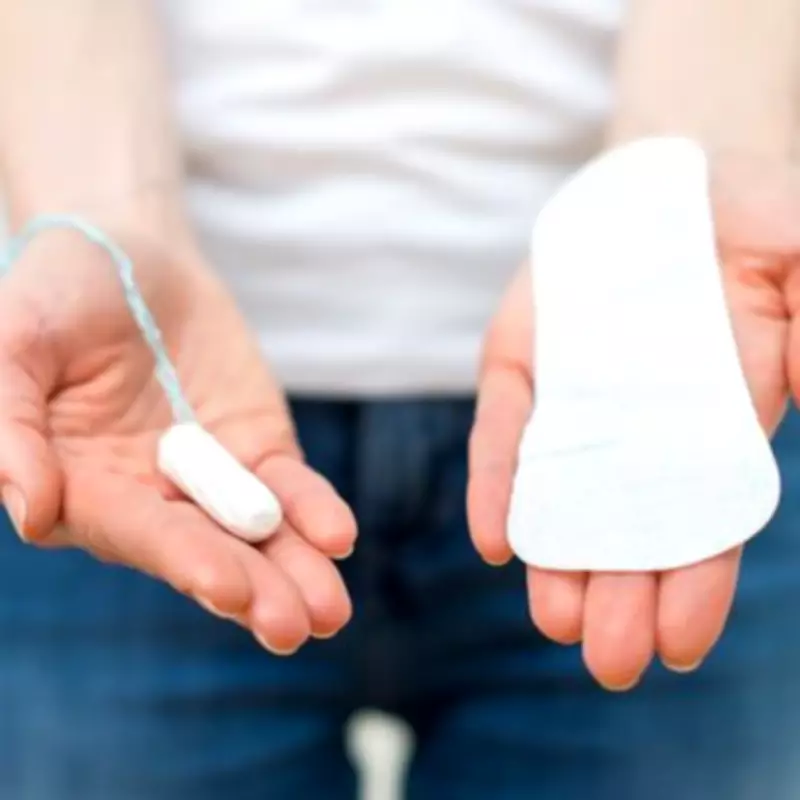
The UK government is poised to launch a significant intervention against toxic 'forever chemicals' commonly found in period products such as sanitary towels and tampons. Ministers are expected to unveil detailed plans next week aimed at reducing public exposure to per- and poly-fluoroalkyl substances (PFAS), which have raised substantial concerns regarding their persistence in the environment and potential impacts on human health.
Understanding the PFAS Threat
PFAS, often referred to as forever chemicals due to their inability to break down naturally, can persist in ecosystems for decades. These substances are utilised in minute quantities across numerous personal care items, including period products, where their unique properties—such as resistance to stains and liquids—provide functional benefits. However, emerging evidence suggests that even small amounts of PFAS may pose a low-level risk to both public health and the natural world.
Government's Comprehensive Action Plan
Under the UK's first-ever PFAS strategy, the government will collaborate with businesses and campaigners to explore methods for making personal care items safer and more sustainable. The primary objective is to develop PFAS-free alternatives that remain affordable for families, ensuring accessibility does not compromise safety.

Environment Minister Emma Hardy emphasised the government's commitment, stating: "There is emerging evidence that small amounts of PFAS chemicals found in everyday products may pose a low-level risk to our health and the natural world. Through our new PFAS plan, this Government will collaborate with businesses to explore safer, PFAS-free alternatives to these products while ensuring they remain affordable for families."
Broader Implications and Industry Challenges
The initiative extends beyond period products to include other common items containing PFAS, such as water-repellent clothing, footwear, and non-stick cooking equipment. Research indicates that production methods for many everyday goods emit PFAS into the environment, exacerbating ecological concerns.
Studies have reported some links between PFAS exposure and adverse effects on human health, though further investigation is required to fully understand these connections. This regulatory move follows the government's commitment in the revised Environmental Improvement Plan published last December to publish a detailed strategy addressing forever chemicals.
Global Context and Precedents
The UK's crackdown comes amid growing international scrutiny of PFAS. In 2024, a lawsuit filed in California alleged that Carefree menstrual pads were contaminated with toxic PFAS, presenting potential threats to women's reproductive health. Notably, California Governor Gavin Newsom vetoed legislation last year that would have banned PFAS in cookware and other products, citing concerns about affordability and product availability.
As the UK government prepares to announce its plans, the focus remains on balancing innovation, safety, and cost-effectiveness. This proactive approach aims to safeguard public health and the environment while fostering sustainable alternatives in the personal care and consumer goods sectors.