In recent months, discussions have been underway regarding potential changes to speed limits across the UK, aiming to save money and enhance road safety. The proposals, put forward by the House of Commons' Transport Select Committee and the independent Parliamentary Advisory Council for Transport Safety (PACTS), could have a significant impact on every driver in the country.
Proposed Reductions in National Speed Limits
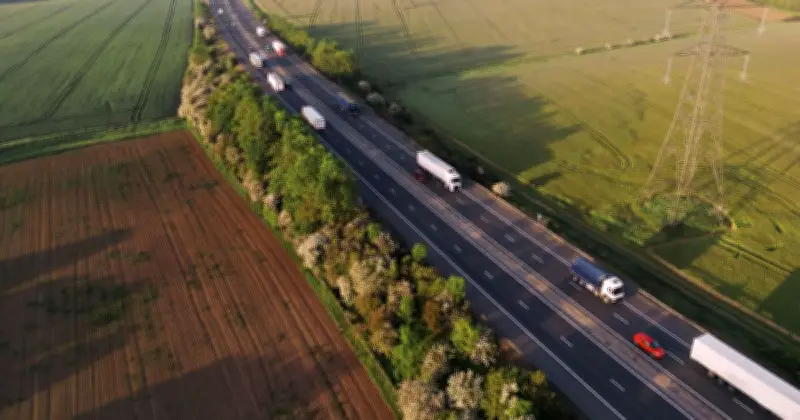
PACTS has suggested reducing national speed limits by 10mph. This would see dual carriageway limits drop from 70mph to 60mph, and single carriageway limits from 60mph to 50mph. However, the reduction on dual carriageways would only apply where infrastructure cannot support survivability in collisions at higher speeds.
Blanket 20mph Zones to Save on Signage
Alongside these changes, PACTS also advocates for the introduction of blanket 20mph zones in villages, towns, and cities with high hazard density. This measure is partly intended to reduce costs associated with signage. The executive director of PACTS, Jamie Hassall, emphasised the need to reframe public perception, stating, "It’s about getting everyone in the country to understand what the benefits are." These benefits include safer routes for children travelling to school, which Hassall noted the public supports.

Historical Context and Economic Factors
This is not the first time speed limit reductions have been considered. Following the war in Iran, which drove oil prices to their highest since the Ukraine war, the Institute for Public Policy Research (IPPR) suggested lowering speed limits to help motorists save fuel. Although this did not materialise, the think tank recommended advising the public on more economical driving techniques. Senior economist William Ellis remarked, "The UK cannot afford to sit back and let another energy shock drive up inflation and damage the economy."
The proposed changes are expected to generate debate, balancing safety improvements with potential impacts on travel times and driver habits.