Talks between the United States and Iran, scheduled for Friday in Switzerland to implement a peace deal, were abruptly cancelled after Hezbollah killed four Israeli soldiers and Israel carried out retaliatory airstrikes in Lebanon that killed at least 18 people. The negotiations, which were to begin in the village of Obbürgen, followed the signing of a memorandum of understanding that opened a 60-day window for talks on Iran's nuclear programme and the resumption of oil traffic through the Strait of Hormuz.
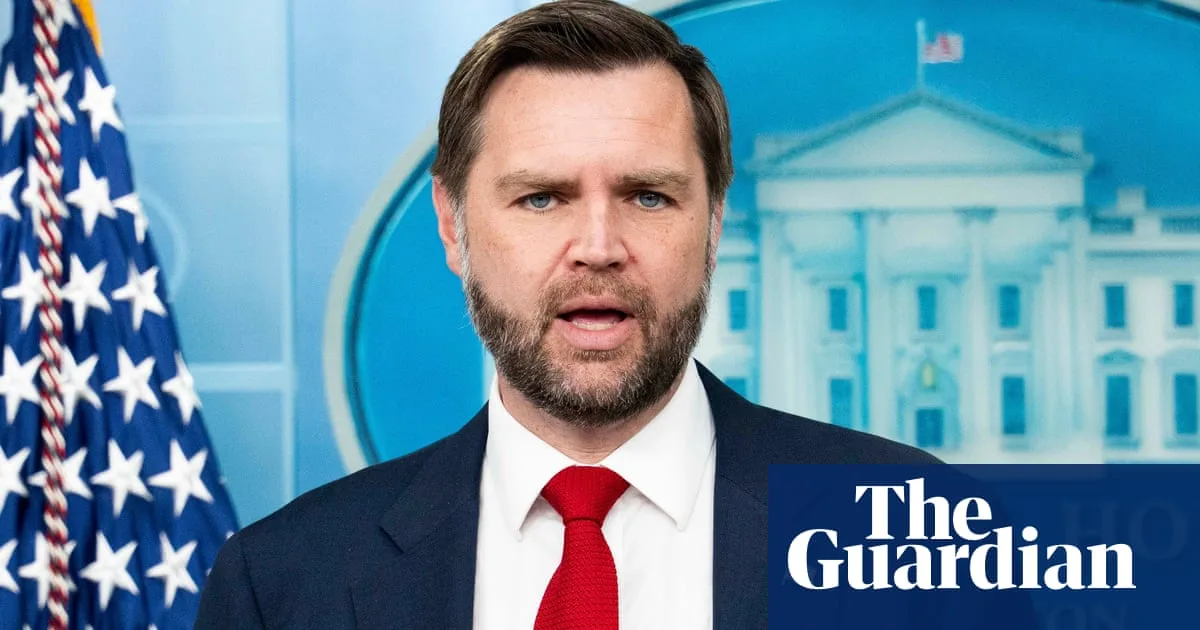
The White House said it looked forward to beginning technical talks as soon as possible, but announced that Vice-President JD Vance, who was leading the US negotiating team, would not travel. A White House spokesperson stated that the logistics of the negotiations had never been simple or predictable and that the vice-president was not departing as planned. The cancellation came as Hezbollah targeted Israeli forces near Nabatieh in southern Lebanon with rockets and drones, and Israel responded with airstrikes on the city and surrounding areas, killing at least 18 people and wounding 33, according to Lebanon's health ministry.
Hezbollah said it was targeting Israeli forces attempting to advance towards the foothills around Nabatieh, a flashpoint where intermittent fighting has occurred since the US-Iran ceasefire was announced. The killing of Israeli soldiers prompted fury within Israel, with National Security Minister Itamar Ben-Gvir calling for scorched earth in Lebanon, stating that the blood of Israeli sons and the security of citizens were not up for bargaining. French Foreign Minister Jean-Noël Barrot called on Israel to stop its strikes and urged the US to pressure Israel to respect the ceasefire agreement.
The cancellation was so abrupt that Vance's staff and a small group of journalists had gathered at Joint Base Andrews in anticipation of the trip, while dozens of White House officials and media were already in Switzerland. Iran's supreme leader, Ayatollah Mojtaba Khamenei, had approved the memorandum of understanding despite reservations, and the US had officially lifted a blockade of Iranian ports. However, Iran's semi-official Tasnim news agency indicated that Iranian negotiators needed to see signs of implementation of the interim agreement before further talks, and there was no confirmation that its delegation would travel to Geneva. The cancellation also followed a report from Al Mayadeen, a network allied with Hezbollah, that Tehran was delaying its delegation due to Israel's military campaign in Lebanon.
Israel, which was not included in the peace talks and has distanced itself from the US-Iran agreement, continued its fighting in Lebanon and launched fresh airstrikes early on Friday, accusing Hezbollah of violating the ceasefire. Hezbollah said its fighters destroyed three Israeli tanks in southern Lebanon and that clashes were ongoing, though Israel had not confirmed the tank strikes. Fighting in Lebanon began on 2 March when Hezbollah launched rockets at Israel in retaliation for the killing of Iran's supreme leader.