
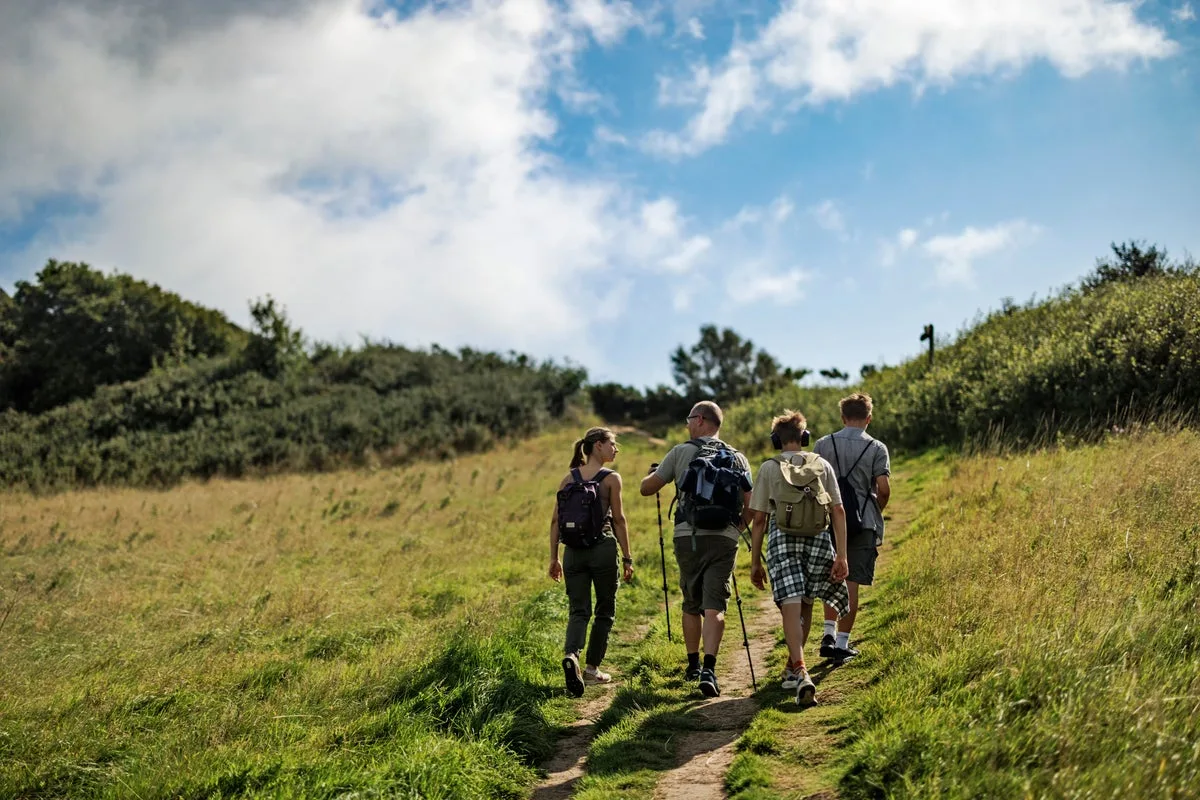
A charity is working to widen diversity in the British countryside by reducing barriers to accessing National Landscapes. The National Landscapes Association, largely funded by the Department for Environment, Food and Rural Affairs (DEFRA), aims to make the UK's 46 National Landscapes welcoming for everyone.
The charity stated: 'Everyone should have the opportunity to enjoy time in nature, but for many people it can feel out of reach. From feeling unsafe outdoors because of your faith or race, to being unable to get out in landscapes because of physical disabilities, through to not knowing about these incredible places or how to access them because they are not part of your life and social circle.'
According to the charity, two-thirds of England's population live within half an hour of their nearest National Landscape. Better access to these areas offers health benefits and supports rural livelihoods. In 2019, a DEFRA report emphasised that national landscapes should be 'places where everyone is actively welcomed in'.
Recent initiatives include the 2024-25 Generation Green 2 project, which provided children from disadvantaged areas with trips to the Northumberland coast and Surrey Hills. In Luton, Nature Calling coordinated visits to restore chalk grassland, while the Putting Down Routes programme encouraged under-represented communities to visit the North Downs Way National Trail and Kent Downs National Landscape. Weekly walks in Arnside and Silverdale have supported people with dementia and brain injuries.
The charity aims to make protected landscapes the 'backbone of a nature-rich UK' with 'people from all backgrounds' by 2050. National Landscapes added: 'UK nature needs all the friends it can get, and the more people feel connected and taking nature friendly actions, the better for everyone.'




