Donald Trump has nominated hospitality executive Scott Socha to lead the National Park Service, a move that has sparked immediate controversy due to Socha's corporate background and his company's past legal battle over trademark rights to the name "Yosemite National Park." The nomination comes at a critical juncture for the agency, which has faced significant staffing cuts and political pressure under the Trump administration.
An Outsider with Business Ties
Scott Socha's nomination marks a departure from tradition, as the National Park Service has historically been led by individuals with extensive experience in conservation and public land stewardship. Over the past three decades, nominees have typically emerged from within the agency's own ranks, ensuring a deep understanding of its mission to protect America's natural and cultural heritage.
In stark contrast, Socha has spent the last 27 years working at Delaware North, a Buffalo-based food and hotel management company. According to the company's website, Delaware North provides hospitality services in seven national parks and operates lodging in five national park gateway communities. Since 2017, Socha has overseen the development of enterprises within and adjacent to national parks, a role that has raised concerns about potential conflicts of interest.
Conservation Groups Voice Strong Opposition
Conservation organizations have reacted with alarm to Socha's nomination. Jayson O'Neill, a spokesperson for Save our Parks, issued a statement condemning the choice. "The private park concessionaire executive Scott Socha has zero experience in public service or conservation," O'Neill wrote. "Instead, he's made a career out of extracting maximum profit from our national parks, not protecting them, making it abundantly clear he'll be doing the bidding of special interests and corporate interests."
The criticism centers on Socha's lack of background in environmental protection and his ties to a company that has prioritized commercial gain over conservation principles. This nomination arrives as the National Park Service grapples with the aftermath of a civil sector purge that eliminated a quarter of its staff, alongside ongoing efforts by the Trump administration to alter historical narratives at park sites, such as those addressing slavery.
The Yosemite Trademark Lawsuit
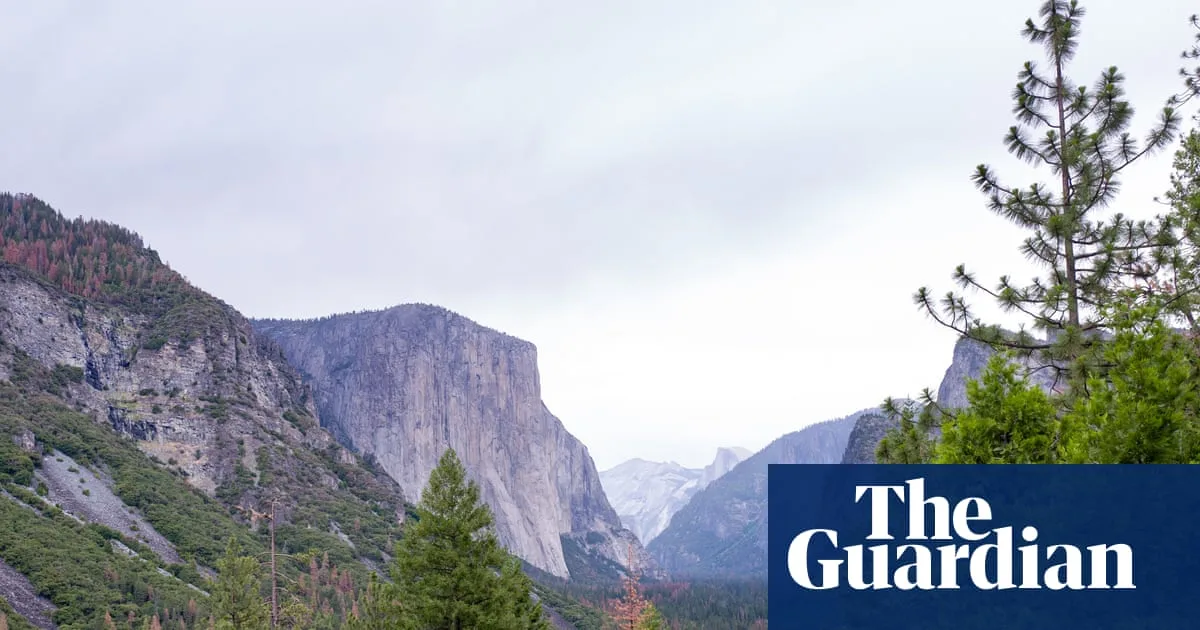
Delaware North is particularly notorious in conservation circles for a high-profile trademark lawsuit involving Yosemite National Park. In 2016, after losing a $2 billion bid to renew its contract to operate Yosemite's hotels and restaurants to competitor Aramark, Delaware North filed a lawsuit claiming intellectual property rights to various names used within the park.
The company argued that it held trademark rights worth over $50 million for terms including "Yosemite National Park," "Ahwahnee Hotel," and "Curry Village." This legal action led to the temporary renaming of these iconic landmarks until the lawsuit was settled in 2019. The episode highlighted the tensions between commercial interests and the preservation of public lands, a conflict that now looms large over Socha's nomination.
Call for Senate Scrutiny
Aaron Weiss, deputy director for the Center for Western Priorities, has urged the Senate to approach Socha's confirmation with extreme caution. "Senators must approach this nomination with the utmost skepticism given Scott Socha's history and the current state of our national parks," Weiss stated. "Our public lands belong to all Americans, not the concessionaires who try to trademark and cash in on the names of our nation's crown jewels."
Socha's nomination requires Senate confirmation, and it is expected to face rigorous scrutiny from lawmakers concerned about the integrity of the National Park Service. The debate will likely focus on whether a figure with such deep corporate ties can effectively steward America's natural treasures without compromising their protection for future generations.
As the process unfolds, the nomination underscores broader questions about the role of business interests in public land management and the future direction of one of the nation's most beloved institutions.




