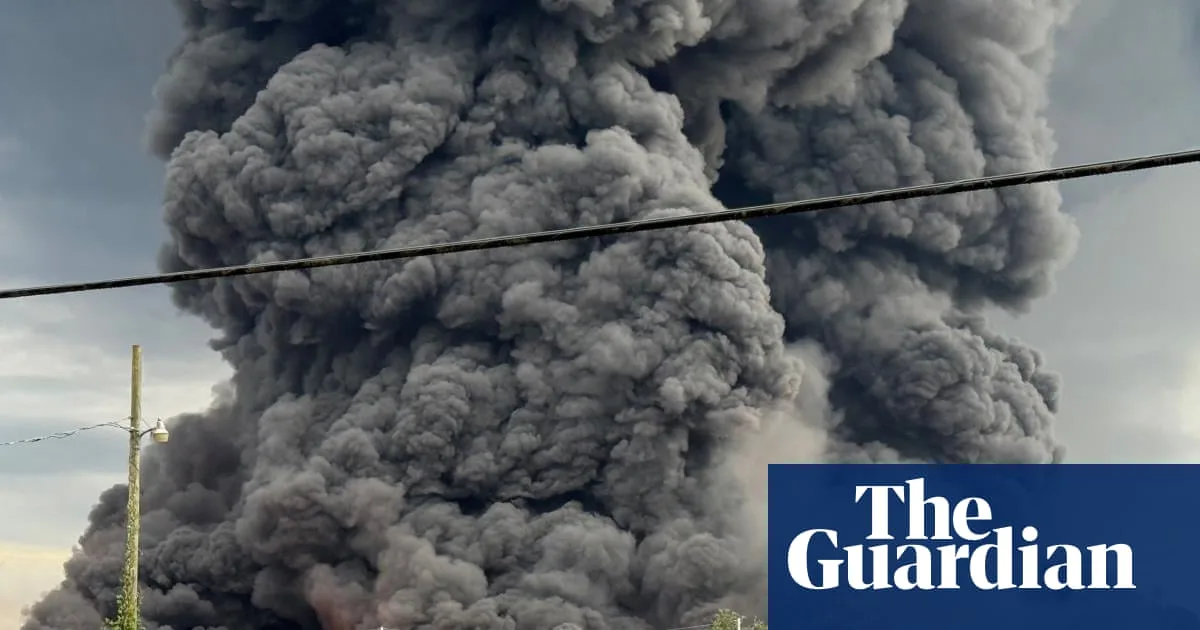
The Trump administration is systematically dismantling the federal disaster management system designed to protect the US from chemical catastrophes, including fires and explosions at high-risk facilities. The Environmental Protection Agency (EPA) is rolling back rules under the Risk Management Program (RMP), which requires over 12,500 facilities to develop protocols to prevent or limit chemical disasters.
The 2024 Biden administration finalised a rule strengthening protections after 12 years of development. However, chemical companies argued the provisions were too expensive, prompting the incoming Trump EPA in early 2025 to propose undoing most of these rules. The EPA has already removed a public website informing communities and first responders about chemicals in use at facilities, and the White House has targeted the Chemical Safety Board.
Between 2004 and 2025, the US experienced a chemical accident harming humans or the environment every other day on average. Recent incidents include a steel plant explosion in Clairton, Pennsylvania, injuring 10, and an oil facility explosion in Roseland, Louisiana, that splattered oil onto homes up to 20 miles away. About 180 million people live within several miles of a plant covered by the rules.

Marc Boom, a former EPA policy advisor, said the Trump EPA, stacked with former industry lobbyists, is “putting industry profits ahead of public safety”. He added: “These standards exist because catastrophic explosions and toxic releases are not theoretical risks – they are real events that devastate communities.” An EPA spokesperson claimed the proposed revisions maintain core protections while eliminating “duplicative, contradictory, or unproven requirements”.
Public health advocates criticised the rollback. Emma Cheuse of Earthjustice said: “The new Trump proposal erases most of those requirements. These are common sense measures and yet they want to take them away.” The 2024 rules included measures such as requiring safer alternatives to hazardous chemicals, backup systems, and plans for “double disasters” like hurricanes hitting chemical plants, as occurred in 2017 when Hurricane Harvey caused an explosion at the Arkema plant in Texas.