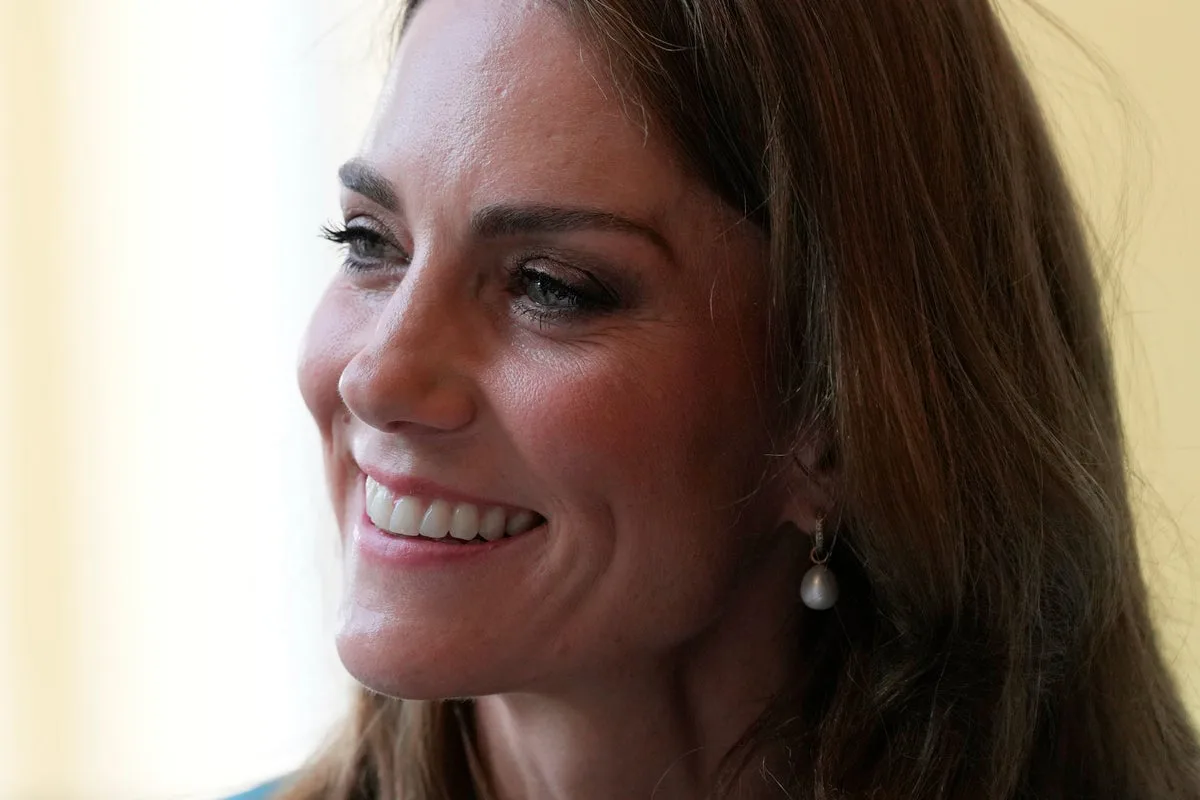
The Princess of Wales has begun her first major overseas visit since recovering from cancer treatment, focusing on the educational philosophy known as the Reggio Emilia approach. During her time in the northern Italian city of Reggio Emilia, Kate is studying this globally influential early-years education model, which centres on creativity, nature, community engagement, and child-led learning.
Developed after the Second World War by psychologist Loris Malaguzzi, the Reggio Emilia approach is based on the belief that children are naturally curious and capable learners. Holly Amber Stokes, a senior lecturer in psychology at Arden University and early childhood education specialist, explains: 'It’s an early-years philosophy built on the idea that children construct their own understanding of the world through exploration, play and relationships.' Unlike traditional systems, it avoids rigid timetables and standardised outcomes, with teachers acting as facilitators who observe children's interests and help them explore ideas more deeply.
The environment is considered 'the third teacher', with natural light, outdoor spaces, and open-ended materials encouraging exploration. Kate's interest aligns with her work through the Royal Foundation Centre for Early Childhood. Stokes notes that the approach prioritises emotional development and creativity, which are protective factors for mental wellbeing amid rising anxiety in children. Research also shows play-based learning improves long-term engagement and academic outcomes.

In practice, Reggio Emilia classrooms may appear relaxed but are highly educational, with activities like storytelling, role-play, drawing, and gardening. Learning goals are woven into activities: counting blocks develops numeracy, acting out stories builds language, and nature walks inspire writing. Teachers use 'scaffolding' to extend children's thinking through questions and prompts.
Stokes says many elements can be integrated into home life without special resources. Simple games like I-Spy, imaginative play, and outdoor walks become opportunities for child-led learning by following the child's curiosity rather than controlling activities.