North East mayor Kim McGuinness has acknowledged that efforts to revitalise struggling high streets in the region have not progressed as quickly as anticipated. Speaking on Tuesday, she told the North East mayoral authority’s overview and scrutiny committee that the high streets commission, a key pledge from her 2024 election manifesto, has not yet delivered the desired pace of change.
Commission Progress and Mayoral Priorities
The commission, which convened for the first time last November, was tasked with devising strategies to breathe new life into towns and villages. McGuinness admitted that the initiative “has not moved as quickly as I would have liked or other people would have liked”. However, she stressed that she is “more interested in getting it right than getting quick wins or low-hanging fruit”.
The mayor highlighted the relocation of South Tyneside College to a new campus in South Shields town centre as an example of the “kind of big thinking we want”. She urged the commission to “think bigger” and focus on larger interventions in a smaller number of locations, with South Shields being the only confirmed site so far.

Criticism of Absentee Landlords
McGuinness also took aim at absentee landlords, accusing them of “rinsing local businesses, leaving precincts empty, unkempt, unloved, insecure and unsafe”. She called for the introduction of compulsory sale orders to force property owners to “sell shops that they are not looking after”.
“The idea that some of these shopping precincts are left to go to wrack and ruin by people who have properly never even been there… slowly devaluing and devaluing them, so that the public get no benefit out of them, presumably so eventually they can sell the land for something else. That is not how we care for our local areas and it is absolutely maddening,” she added.
Local Concerns and Calls for Action
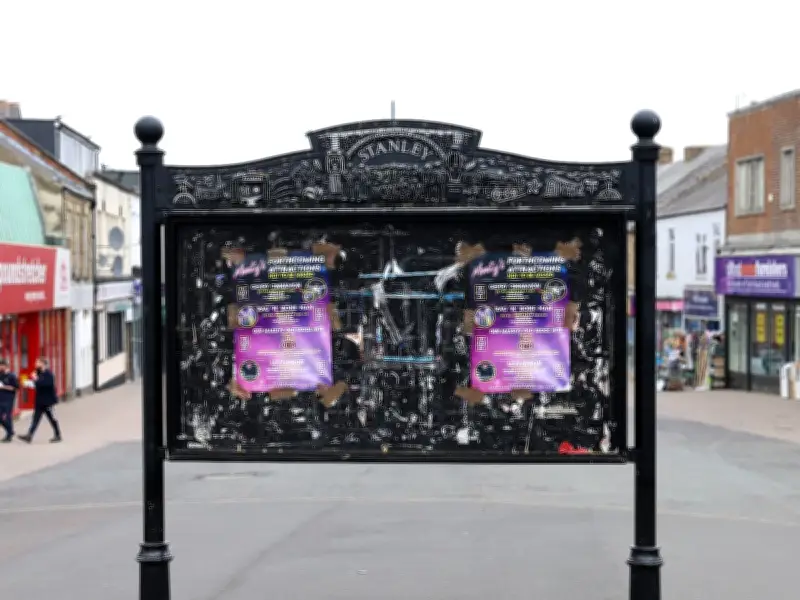
Durham Reform councillor John Cook, chair of the committee, raised concerns about empty and derelict buildings in Stanley. He called for local leaders to be given “better powers” to purchase and regenerate problem properties, noting frustration that “we [Durham County Council] don’t own the town centre in the way residents think we do”.
McGuinness responded by saying that the commission’s approach would avoid “slapdash solutions” and instead aim for lasting improvements. “We could have gone to a couple of run-down places and put a bit of investment into a couple of shops or looked at street furniture and all those things. But I think we have seen that all done before by various rounds of central government funding for high streets that have not really scratched the surface,” she said.