New Jersey's $54 Million Beach Protection Plan Collapses Amid Local Disputes
A years-long battle to safeguard a critical stretch of New Jersey coastline from relentless erosion has been forced back to the drawing board, following the collapse of a $54 million sand replenishment initiative. The ambitious project, designed to bolster beaches along Five Mile Island between the Hereford and Cape May inlets, has been shelved due to persistent disagreements among local municipalities over sand allocation and sacrifice.
Project Stalls as Towns Clash Over Sand Distribution
The massive coastal protection scheme would have involved strategically moving sand to reinforce beaches in North Wildwood, Wildwood, Wildwood Crest, and the Diamond Beach section of Lower Township. However, talks between the involved parties have stalled irreparably, leading to the project's cancellation and the reallocation of its funding to other priorities. This development sparks renewed concerns about the future viability of tourism in these areas, which depend heavily on visitor numbers for economic stability.
North Wildwood, in particular, has long lived under the shadow of potential devastation from major storms, engaging in a protracted legal dispute with the New Jersey Department of Environmental Protection regarding the deteriorating state of its beaches and protective sand dunes. Despite being highly vulnerable to severe erosion, the town has yet to receive a comprehensive beach replenishment project from state authorities and the U.S. Army Corps of Engineers, partly due to funding delays and challenges in securing easements from private landowners.
Geographical Challenges and Failed Mitigation Efforts
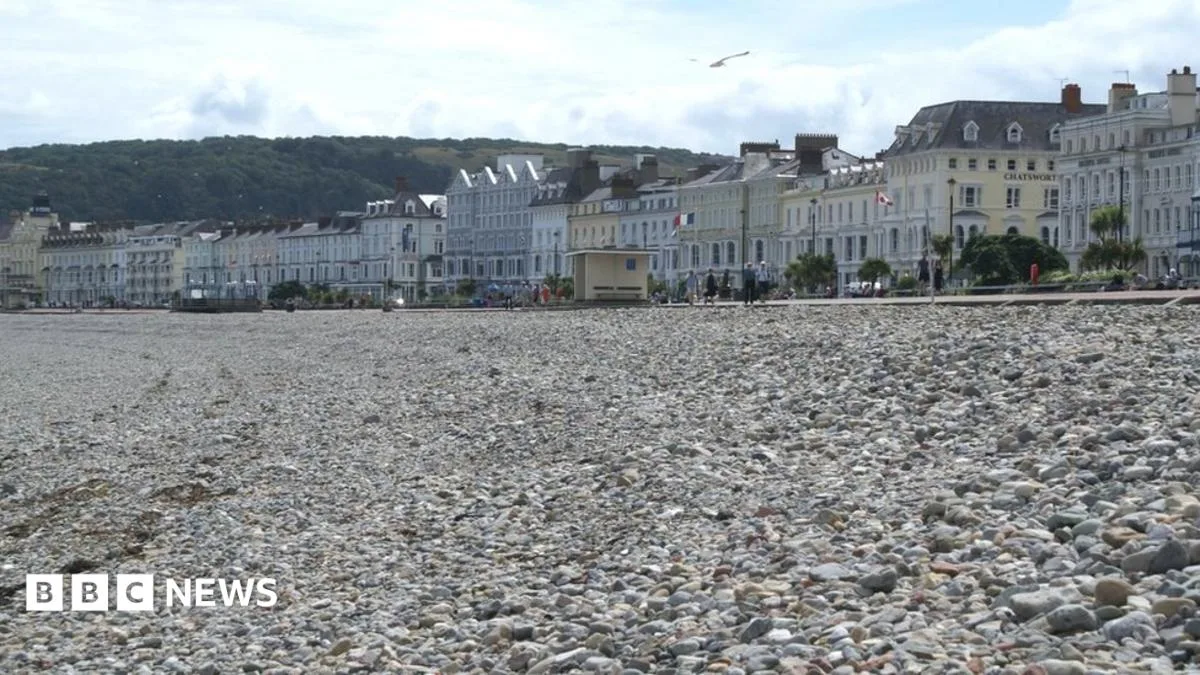
Located at the northern tip of a barrier island, North Wildwood faces a natural geographical disadvantage: coastal currents and wave patterns consistently push sand southward, depositing it onto the beaches of neighboring Wildwood and Wildwood Crest. This has forced North Wildwood into a continuous, losing battle against erosion, resorting to costly measures like trucking in sand to replace losses. For instance, in 2022, a significant sand import ahead of Memorial Day was largely washed away almost immediately by a storm, highlighting the fragility of such stopgap solutions.
An initial recovery plan, previously approved by Congress, aimed to redistribute sand among the affected areas to ensure equitable beach quality for all towns. However, this proposal has now ground to a halt, with officials from Wildwood and Wildwood Crest expressing strong reservations about the potential negative impacts of removing sand from their communities.
Local Opposition and Emergency Access Concerns
Wildwood Crest Mayor Don Cabrera voiced specific worries about maintaining crucial access points for first responders, stating, "We don't want our existing dunes, or any part of them, demolished for a higher dune, and we don't want to close off—I'll call them gaps—because those are our emergency access points." Similar concerns were echoed by Wildwood, which frequently utilizes its beaches for large-scale public events and fears any reduction in beach size or dune modifications could disrupt these activities.
North Wildwood Mayor Salvatore Zampirri expressed skepticism about securing support from neighboring towns for a protective dune in his community, if they perceive it as detrimental to their own interests. He indicated that North Wildwood might pursue an independent restoration project, provided it gains approval from state and federal agencies.
Renewed Talks and Future Climate Threats
In response to the impasse, the U.S. Army Corps of Engineers has initiated a new round of discussions with the NJDEP to explore alternative approaches. Army Corps spokesperson Stephen Rochette explained, "It involves investigating alternate borrow sources for sand. We are in the early stages of this study and have begun initial coordination with the municipalities."
The urgency of finding a solution is amplified by the escalating climate crisis, which is driving sea levels higher and exacerbating coastal vulnerabilities. Many of these New Jersey towns are situated on low-lying barrier islands, just feet above sea level, facing increased risks of flooding and potential inundation over the coming decades. Last year, several beach repair projects along the Jersey Shore were cancelled due to federal spending cuts, prompting officials to appeal for greater federal assistance.
In the interim, New Jersey has taken proactive steps by increasing its own financial commitment to coastal protection, with the Shore Protection Fund now allocating approximately $50 million annually toward beach replenishment efforts, aiming to bridge the gap left by federal shortcomings.