National Parks Inclusion Drive Sparks Debate: Nature's Promise to All Britons
Efforts supported by the Department for Environment, Food and Rural Affairs (Defra) to enhance accessibility and inclusivity in Britain's national parks have ignited controversy, with critics framing it as cultural provocation. However, advocates, including television presenter and Campaign to Protect Rural England president Mary-Ann Ochota, assert this initiative represents the fulfillment of a longstanding national commitment.
Historical Context and Legal Mandates
National parks, trails, and landscapes were established in the 1940s and 1950s, contemporaneously with the National Health Service. The vision was clear: these protected areas were intended as a "natural" health service, providing essential access to nature, beauty, and history for a war-weary population. This foundational principle underscores their legal duty to welcome all citizens.
Recent research commissioned by Defra highlights that these spaces are often perceived as predominantly "white environments," primarily frequented by the white middle class. In response, Defra is assisting management teams to foster environments where all visitors feel welcome and local communities thrive as diverse, sustainable hubs.

Addressing Resistance and Promoting Inclusivity
Historical parallels reveal persistent resistance. During the parks' inception, fears surfaced about an influx of the "wrong sort" of people, with concerns ranging from behavioral issues to environmental contamination. Similar rhetoric echoes today, often dismissed as dog-whistle politics that alienates marginalized groups.
A poll by More in Common, commissioned by the Campaign to Protect Rural England, found that 91% of respondents consider the British countryside special, associating it with happiness and calm. Protected landscapes and national trails encompass over 25% of England's land and nearly 4,900 miles of routes, yet demographic disparities persist. People from visible ethnic minorities are statistically less likely to reside in or visit rural areas, leading to feelings of isolation or unwelcome attention.
Community-Led Initiatives and Government Support
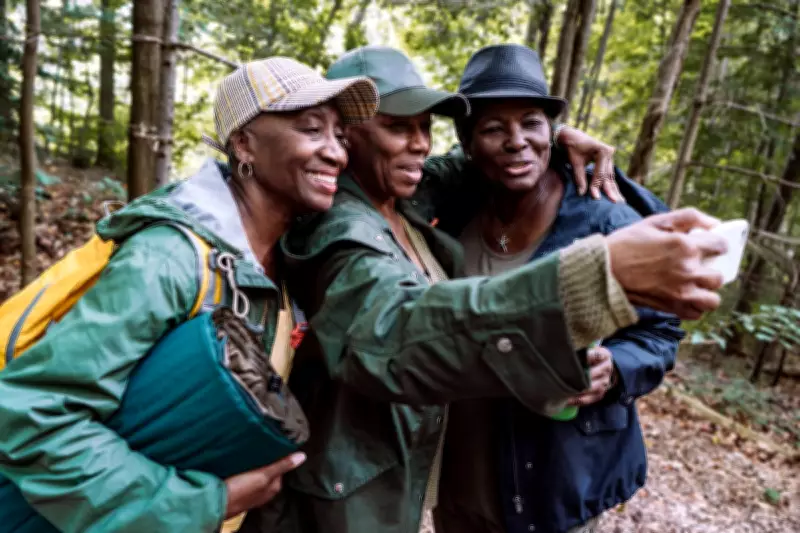
Many rural communities are proactively enhancing inclusivity. Initiatives include installing accessible facilities, offering non-alcoholic refreshments, and providing multilingual information. Networks like All the Elements exemplify grassroots efforts to diversify outdoor access, fostering supportive communities for activities such as hiking, climbing, and forest bathing.
Government backing amplifies these endeavors, reinforcing that national parks are landscapes for the entire nation. Management teams have long engaged in inclusion work, but renewed focus and resources are addressing remaining gaps. This approach not only boosts rural economies through increased visitation but also promotes mental well-being and environmental stewardship.
Overcoming Barriers and Fostering Belonging
While the natural environment itself is indifferent to human differences, social dynamics in rural settings can pose challenges. For underserved communities, the risk of hostility or scrutiny may deter engagement. Affinity groups and educational campaigns aim to mitigate these barriers, encouraging participation and challenging stereotypes.
As Mary-Ann Ochota emphasizes, nurturing inclusivity aligns with nature's own lessons: with care, growth follows. By weaving stronger community threads, these efforts counter narratives of division, ensuring that Britain's cherished landscapes remain a source of unity and healing for all.