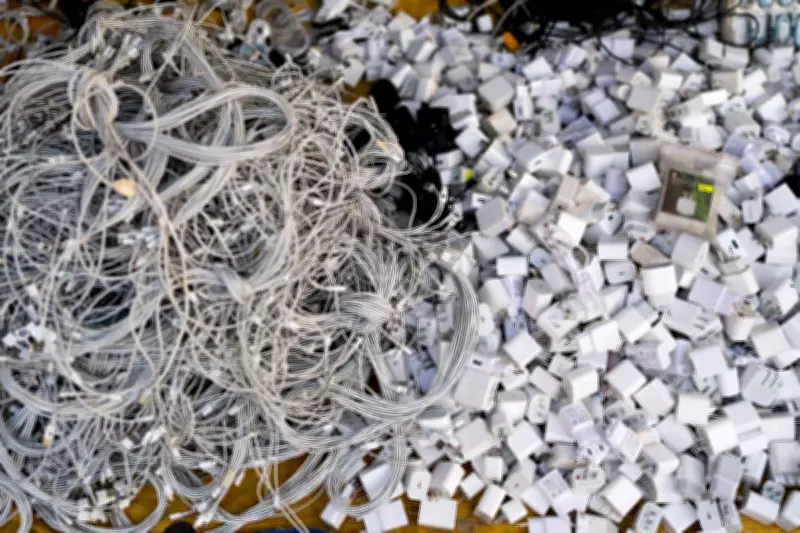
Malaysia has declared an immediate and comprehensive ban on all electronic waste imports, with government officials vowing the nation will no longer serve as a global dumping ground for hazardous materials. The Malaysian Anti-Corruption Commission confirmed the prohibition in an official statement released late on Wednesday, marking a significant escalation in environmental protection efforts.
Absolute Prohibition Enacted
The MACC announced that electronic waste, commonly referred to as e-waste, has been reclassified under the "absolute prohibition" category with immediate effect. This decisive move eliminates the discretionary authority previously held by the Department of Environment to grant exemptions for specific e-waste imports, creating a blanket ban across all categories.
"E-waste is no longer permitted," stated MACC chief Azam Baki in the official declaration, promising "firm and integrated enforcement action" to prevent illegal imports from circumventing the new regulations. The announcement represents Malaysia's strongest stance yet against the international waste trade that has plagued the nation for years.

Environmental and Health Concerns
Environmental advocates have long pressured authorities for more robust action against e-waste imports. Discarded electronic products including computers, mobile phones, and household appliances frequently contain toxic substances and heavy metals such as lead, mercury, and cadmium. When improperly processed or dumped, these hazardous materials can contaminate soil and water resources, posing significant risks to both human health and ecological systems.
Malaysia has previously struggled with substantial volumes of imported e-waste, much of which authorities suspect entered the country illegally. In recent years, port officials have seized hundreds of containers containing suspected illegal e-waste and issued return notices to exporters, though enforcement has been inconsistent until now.
Corruption Investigation Widens
The ban coincides with an expanding corruption inquiry connected to e-waste management oversight. Last week, the MACC detained and remanded both the director-general of the environment department and his deputy on allegations of abuse of power and corruption involving e-waste regulation. The investigation has already resulted in frozen bank accounts and seized cash linked to the case, indicating systemic problems within the regulatory framework.
In a separate social media statement on Wednesday, the Home Ministry pledged to strengthen efforts against e-waste smuggling operations. "Malaysia is not a dumping ground for the world's waste," the ministry declared emphatically. "E-waste is not just garbage but a serious threat to the environment, people's health and national security."
Enforcement Challenges Ahead
While the ban represents a landmark policy shift, implementation presents considerable challenges. Malaysia's extensive coastline and numerous ports have historically made monitoring and interception difficult for authorities. The government now faces the complex task of developing comprehensive enforcement mechanisms to support the prohibition, including enhanced port inspections, border controls, and monitoring of recycling facilities that might attempt to process illegal imports.
The international context adds another layer of complexity, as Malaysia's ban may redirect e-waste flows to other developing nations unless similar measures are adopted regionally. Environmental groups have welcomed the decision but emphasize that sustained enforcement will determine its ultimate effectiveness in protecting Malaysia's ecosystems and communities from toxic contamination.