EPA Reapproves Dicamba for Genetically Modified Soy and Cotton
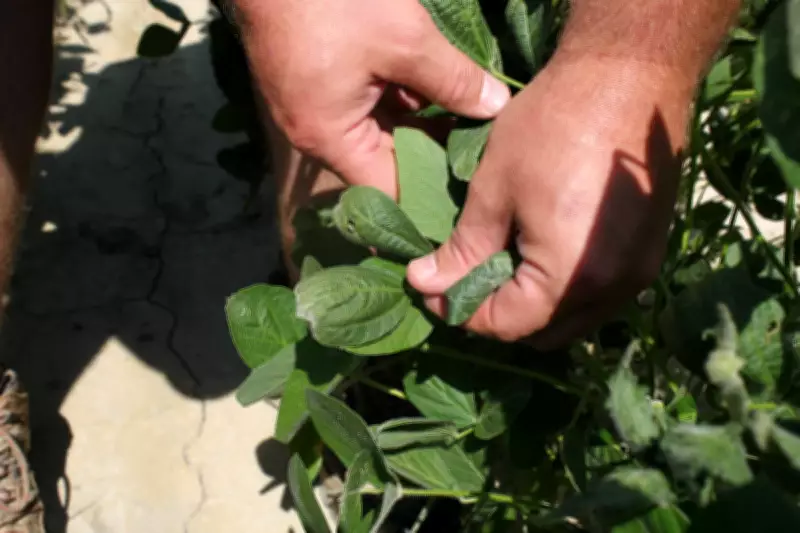
The Environmental Protection Agency (EPA) announced on Friday its decision to reapprove the weed killer dicamba for use on genetically modified soybeans and cotton. This pesticide has sparked widespread concern due to its tendency to drift and damage nearby crops, yet the agency asserts it is critical for farmers combating fast-growing weeds.
Safety Measures and Industry Support
To address safety issues, the EPA has imposed new protections and limits on dicamba use. These include restrictions on the amount applied per acre, limitations on application during hot days, and the establishment of buffer zones to prevent harm to adjacent crops. According to the EPA, if these guidelines are followed, dicamba can be used without threatening human health or the environment.
The American Soybean Association has welcomed the decision, stating that clear rules will help farmers prepare for the upcoming growing season and manage destructive weeds effectively.

Criticism from Environmental Advocates
Environmental groups and activists have sharply criticized the reapproval. Kelly Ryerson, an activist with the Make American Healthy Again movement, expressed disappointment, arguing that new restrictions are insufficient and will perpetuate a "chemical treadmill" for farmers. She emphasized the need to permanently discontinue dicamba due to its harmful effects.
Nathan Donley, environmental health science director at the Center for Biological Diversity, accused the administration of appeasing the pesticide industry at the expense of public health and the environment. Critics argue that the EPA's buffer zones have already proven ineffective, and the allowed application periods are too lenient, increasing the risk of drift damage to vegetable farms, trees, and other plants.
Health Risks and Legal Context
Research into dicamba's health risks continues, with a 2020 study in the International Journal of Epidemiology linking exposure to an increased risk of cancers, including liver cancer and certain types of leukemia. This decision follows previous court blocks in 2020 and 2024, which advocates cite as reasons for their opposition.
Bayer, a manufacturer of dicamba, stated that the federal registration will enable them to seek state approvals and launch training programs for applicators in the coming weeks.
The Associated Press, which receives support from the Walton Family Foundation for environmental coverage, reports that the EPA maintains this is not a conflict between advocacy groups and the agency, but rather a measure to support growers who rely on the herbicide.