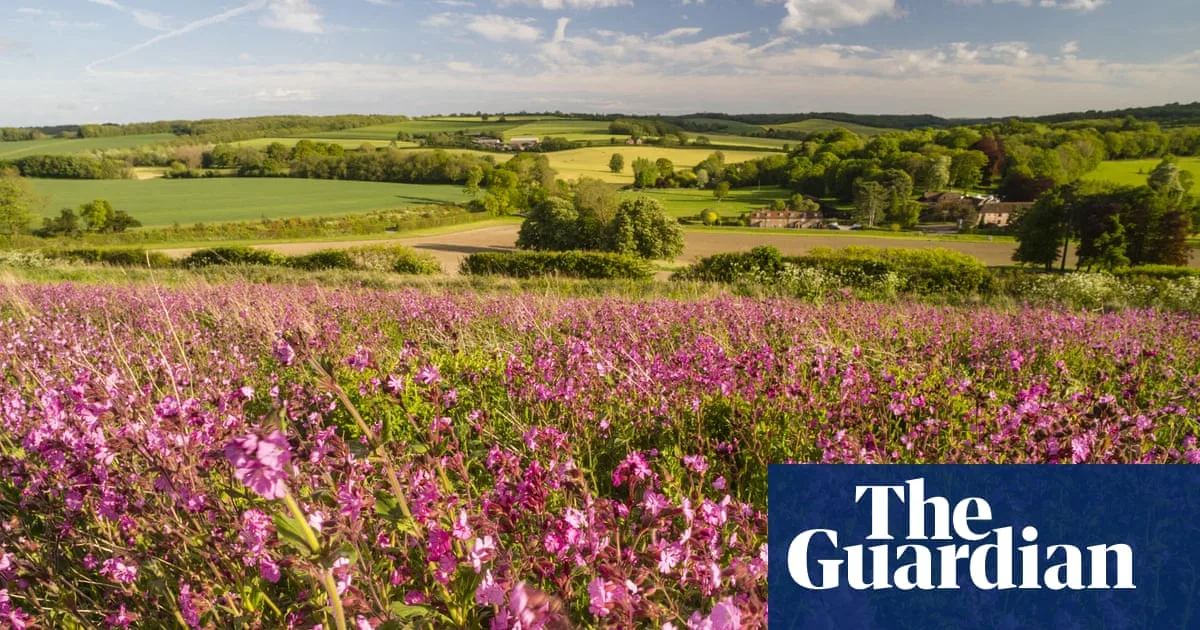
By the middle of May, with 'growing weather' upon us, plants seem to overflow with health, producing flowers so rapidly that one misses detail and notices only the general effect. Grasses provide bite for cattle, many in flower, with red sorrel heads rising above the green. Stitchworts and starworts, from greater stitchwort to the abundant chickweed, no longer dot the banks but spread white sheets in many places. Even the usually green ponds appear white, as water crowfoot—a different variety in nearly every pond—hides the floating duck-weed and other aquatic plants.
Golden buttercups of various species are replacing the bleaching celandines, and some fields are glorious with little else than common dandelions, though elsewhere the white seed-heads, beloved of birds, are more plentiful than flowers. Hyacinths and primroses are not yet over; blue woods and soft yellow banks grace many country spots. In untrimmed hedge banks, trailing climbing vetches, wood loosestrife (or yellow pimpernel), and campions add pleasing variety. Red, yellow, and white dead nettles and other labiates, though less conspicuous, all help to beautify flowery May.
Among the more unusual flowers now in bloom are the climbing corydalis and the alpine pennycress, reported a few days ago from Colwyn by an expert botanist.