Congressional Vote Sparks Fury Over $125m Cut to Lead Pipe Replacement
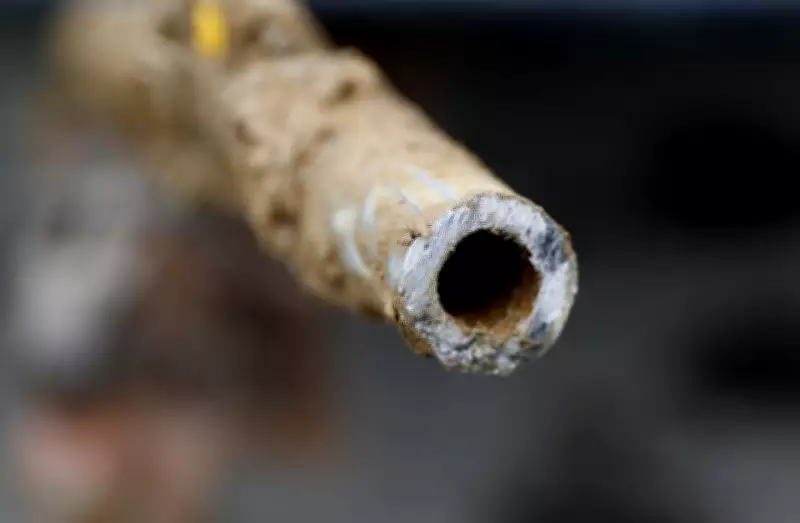
Outrage has erupted among politicians and activists following a US Congress vote to slash $125 million in funding designated for replacing toxic lead drinking water pipes, a move that poses significant risks to children's health. The funding cut, part of a broader government appropriations bill, will disproportionately affect states with the highest concentrations of lead pipes, including Michigan, Illinois, Texas, and New York. This decision has ignited controversy, particularly in the context of debates over Immigration and Customs Enforcement (ICE) funding, highlighting deep partisan divides.
Bipartisan Support Overturned by Republican Committee
Originally approved with bipartisan backing in 2021, the lead pipe replacement funding was redirected by Republican leadership on the interior, environment, and related agencies committee. Over Democratic objections, the funds were reallocated to wildfire prevention efforts. Many US states have urgently called for increased federal assistance, as millions of Americans continue to consume water contaminated with lead, a substance the Environmental Protection Agency (EPA) deems unsafe at any level.
Rashida Tlaib, a Michigan congresswoman whose district around Detroit has among the highest levels of lead lines, condemned the cut in a statement. She emphasized that the resources were "urgently needed to finish the job," calling it an insult to communities struggling for clean water access. Tlaib chairs the Get the Lead Out caucus in Congress, advocating for rapid replacement of every lead service line in America.

Health Impacts and Economic Consequences
Lead exposure is linked to severe health issues, including lowered IQ scores and stunted development in children, as well as increased blood pressure in adults. The EPA estimates that replacing lead lines could prevent up to 900,000 infants from having low birth weight, save about 200,000 IQ points in children, and avoid up to 1,500 premature deaths annually from heart disease. Despite these benefits, the funding cut represents a setback in a long-standing battle over infrastructure upgrades.
Erik Olson, a senior adviser to the Natural Resources Defense Council Action Fund, criticized the decision as "pennywise and poundfoolish," noting that upfront investment in pipe replacement costs far less than addressing long-term health impacts. The $125 million cut is part of $15 billion made available under the 2021 Infrastructure Investment and Jobs Act, which mandated $3 billion annually over five years for lead service line replacement.
Political and Practical Challenges
The issue has become mired in political strife, with Republicans repeatedly attempting to undermine lead line replacement efforts, partly due to pressure from water utilities resistant to infrastructure upgrades. In 2024, the Biden administration implemented a rule requiring all lead lines to be replaced within 10 years, but progress has been slow. For instance, Chicago has replaced less than 4% of its approximately 400,000 lead service lines, with an estimated $3 billion needed to complete the task.
An earlier draft of the funding bill proposed a $250 million cut, but House Democrats, led by Tlaib and Debbie Dingell, managed to save half through coordinated efforts, including a letter signed by 43 other members of Congress. However, concerns persist that this reduction signals a lack of priority for lead pipe replacement, with the Trump administration proposing further cuts to safe drinking water funding.
As the fight continues, public health advocates warn that the funding clawback jeopardizes future efforts to ensure clean water access nationwide, underscoring the ongoing struggle between political agendas and essential public health initiatives.