The Colorado River, a vital water source for millions across the southwestern United States, is at the center of a high-stakes negotiation as states face a crucial deadline to finalize a water allocation agreement. This deadline, set for early 2026, represents a pivotal moment in managing the river's dwindling resources amid prolonged drought and increasing demand.
Background on the Colorado River Crisis
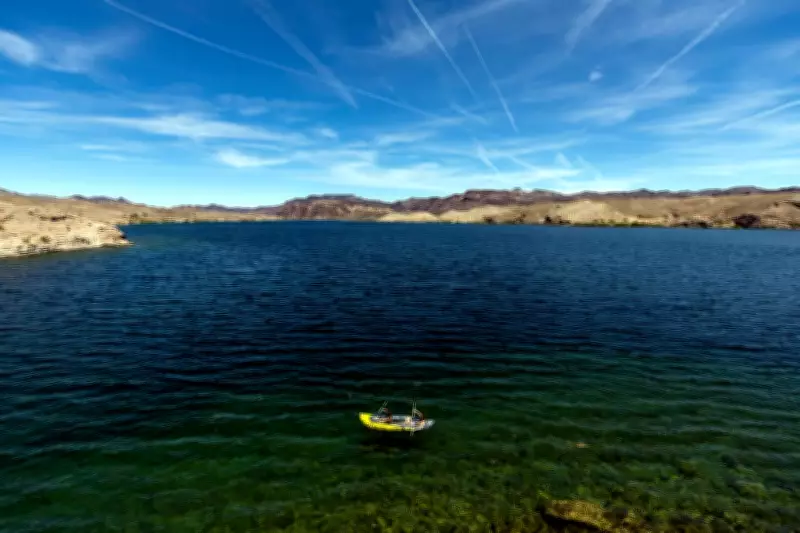
The Colorado River has long been a lifeline for agriculture, urban centers, and natural habitats in states such as California, Arizona, Nevada, Colorado, Utah, New Mexico, and Wyoming. However, climate change and overuse have led to historically low water levels in key reservoirs like Lake Mead and Lake Powell, threatening water security for the region.
Key Issues in the Negotiations
States are grappling with several critical issues as they work toward an agreement. These include:

- Water Cuts: Determining fair reductions in water allocations to address the shortfall.
- Agricultural Impacts: Balancing the needs of farming communities, which are major water users.
- Urban Demands: Ensuring sufficient water for growing cities and populations.
- Environmental Concerns: Protecting ecosystems and endangered species dependent on the river.
Consequences of Missing the Deadline
If states fail to reach a consensus by the deadline, the federal government may impose mandatory cuts, which could lead to legal disputes and exacerbate tensions among stakeholders. Such an outcome could disrupt water supplies, harm economies reliant on agriculture, and increase costs for municipalities.
Potential Solutions and Compromises
Experts suggest that a successful agreement might involve:
- Voluntary Reductions: States agreeing to proactive cuts based on usage and need.
- Infrastructure Investments: Funding for water-saving technologies and conservation projects.
- Long-Term Planning: Developing adaptive strategies for future climate scenarios.
The outcome of these negotiations will have far-reaching implications for water management in the American West, highlighting the urgent need for collaborative solutions to sustain this critical resource.