Chagos Islands Ecology Forecast to Endure Sovereignty Transition
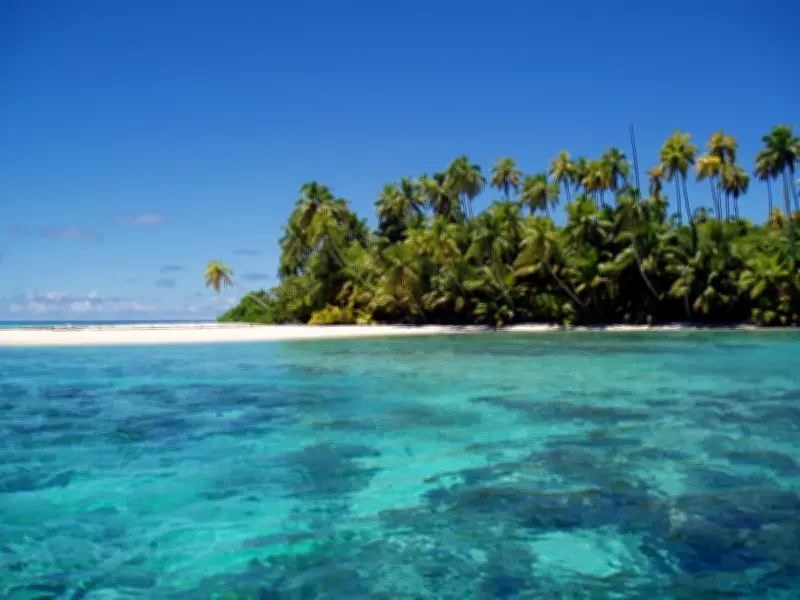
In a significant development for global environmental policy, experts are asserting that the delicate ecology of the Chagos Islands will not face wreckage following the planned return of sovereignty to Mauritius. This remote archipelago, located in the Indian Ocean, has been under British control for decades, but recent diplomatic shifts have set the stage for its handover. The islands are renowned for their pristine marine habitats, including coral reefs and diverse wildlife, which have sparked concerns about potential ecological impacts from the change in governance.
Scientific Confidence in Ecosystem Resilience
Marine biologists and conservationists have conducted thorough assessments, concluding that the Chagos Islands' natural environment possesses inherent resilience. Key factors contributing to this outlook include the established conservation frameworks and the commitment from Mauritian authorities to uphold environmental protections. The islands' isolation has historically shielded them from extensive human interference, allowing ecosystems to develop robustly. Researchers emphasise that with continued international oversight and local management, the transition is unlikely to precipitate ecological decline.
Diplomatic and Environmental Implications
The sovereignty return, rooted in longstanding disputes between the UK and Mauritius, marks a pivotal moment in post-colonial relations. From an environmental perspective, this move could enhance collaborative conservation efforts, as Mauritius has expressed intentions to integrate the Chagos Islands into broader regional sustainability initiatives. The potential benefits include:

- Strengthened marine protected areas through joint international funding.
- Increased scientific research opportunities focusing on climate change adaptation.
- Enhanced monitoring of biodiversity to prevent illegal fishing and other threats.
However, challenges remain, such as ensuring that economic development plans do not compromise ecological integrity. Stakeholders are advocating for transparent policies that balance sovereignty with stewardship.
Future Prospects for Conservation
Looking ahead, the Chagos Islands' ecology is poised to serve as a test case for successful environmental governance during political transitions. By leveraging lessons from other protected areas worldwide, authorities aim to implement adaptive management strategies that safeguard against potential risks. The global community will be watching closely, as the outcome could influence similar sovereignty debates involving ecologically sensitive regions. Ultimately, this situation underscores the importance of integrating ecological considerations into diplomatic negotiations to preserve natural heritage for future generations.