At Least 200 Dead in Congo Landslide at Coltan Mines, Rebel Authorities Confirm
A devastating landslide at coltan mines in eastern Congo has resulted in the deaths of at least 200 people, according to rebel authorities in the region. The catastrophe occurred on Wednesday at the Rubaya mines, an area controlled by the M23 rebel group, and was triggered by heavy rains that destabilised the terrain.
Casualties and Emergency Response
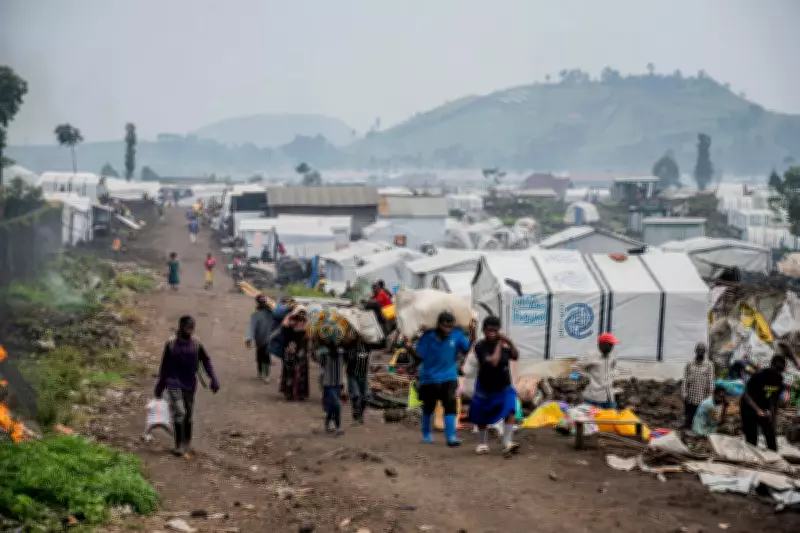
Numerous individuals were injured in the incident, with some being transported to local health facilities for urgent medical care. Plans are underway to transfer additional casualties to Goma, a major city in the region, to access more comprehensive healthcare services. The scale of the disaster has overwhelmed local resources, highlighting the acute humanitarian challenges faced in this conflict-ridden area.
Mining Suspension and Evacuation Orders
In response to the tragedy, the rebel-appointed governor of North Kivu has implemented a temporary suspension of all artisanal mining activities at the site. This measure aims to prevent further loss of life while assessments are conducted. Additionally, residents have been ordered to relocate due to the persistent danger posed by poorly constructed tunnels and the unstable ground conditions, which remain a significant threat to safety.

Global Significance of Rubaya Mines
Rubaya is a critical global source of coltan, a mineral essential for the production of various technologies, including smartphones and other electronic devices. The region, however, is plagued by ongoing conflict and a severe humanitarian crisis, with M23 rebels reportedly profiting from the mines. This disaster underscores the volatile and hazardous conditions under which these vital resources are extracted, often at great human cost.
The landslide not only represents a tragic loss of life but also brings into sharp focus the broader issues of resource exploitation, conflict, and safety in eastern Congo. As the community grapples with the aftermath, the international attention on this event may prompt calls for improved mining regulations and humanitarian aid in the region.