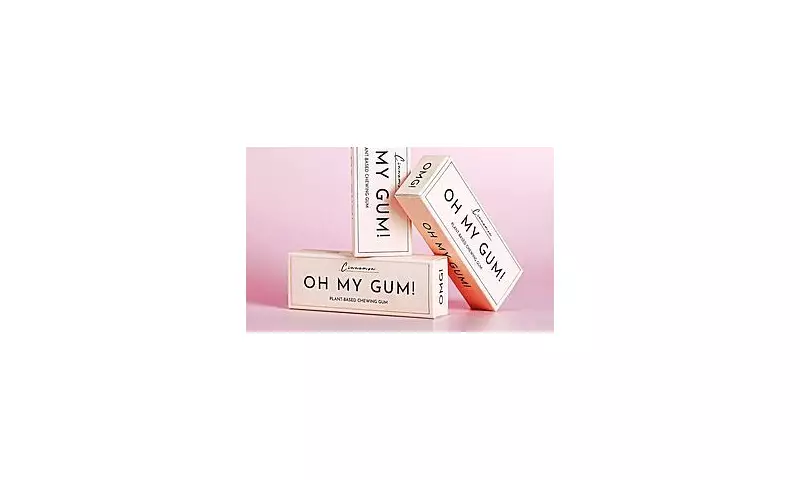
For generations, a peculiar urban legend has haunted school playgrounds and dinner tables: if you swallow your chewing gum, it will lodge in your stomach for a gruelling seven years. While science has long debunked this myth—gum passes through your digestive system like any other food—the reality of what we're actually chewing on is, in many ways, more alarming.
The Unpalatable Truth About Modern Gum
The stark fact is that a significant portion of the chewing gum sold today is crafted from a synthetic plastic base. This base consists of the same synthetic polymers found in everyday items like car tyre inner tubes and plastic carrier bags. This revelation transforms a simple habit into an act of masticating on flavoured plastic, a thought many find particularly disturbing.
A Return to Natural Origins: Chicle
Fortunately, a genuine and eco-friendly alternative exists, harking back to chewing gum's original formulation. This natural gum is made from chicle, a sap harvested sustainably from the sapodilla tree native to Mexico. This substance formed the foundation of all chewing gum before the mid-20th century shift to synthetic rubbers. Choosing chicle-based gum means you can enjoy your chew without ingesting any unwanted synthetic 'nasties'.

Furthermore, its environmental credentials are robust. Unlike its plastic counterpart, which can persist in the environment for decades, natural chicle gum is fully biodegradable once discarded. This switch represents a simple but powerful way for consumers to avoid contributing to microplastic pollution.
Health and Dental Benefits Beyond the Base
The advantages of this natural alternative extend beyond its eco-friendly composition. Brands utilising chicle often pair it with xylitol, a plant-based sweetener derived from birch trees. Xylitol plays a crucial role in oral health, as it actively works to kill the bacteria responsible for tooth decay and plaque formation, offering a sweeter experience that's actually better for your teeth.
The verdict from those who make the switch is largely positive. While some note the texture can be slightly softer than conventional plastic gum, the overwhelming consensus is that once you're aware of the ingredients, there's no desire to return to chomping on flavoured plastic. It offers a valid, conscious choice for the environmentally and health-aware consumer.