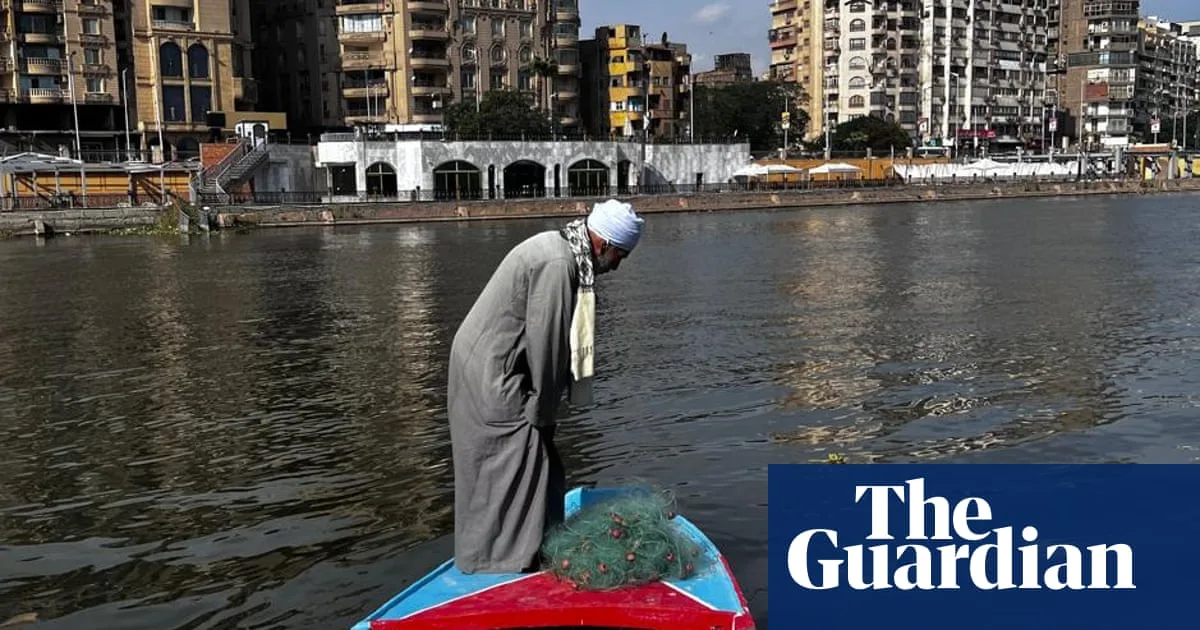
Mohammed Ahmed Sayed Mohammed, a 60-year-old former fisherman from al-Qarsaya island in Cairo, now hunts plastic bottles on the Nile instead of fish. 'The fish fled from the plastic chokehold,' he said, reflecting a shift forced by declining catches. Where winter fishing once yielded 25kg of fish daily, he now catches only 4-5kg, selling at 70 Egyptian pounds (£1.10) per kilogram. Plastic collection, however, brings in more: 20kg daily in summer, and up to 3,000 Egyptian pounds (£47) monthly in winter.
VeryNile, launched in 2018 by Egyptian social enterprise Bassita, pays fishers above-market rates for collected plastic waste. It has gathered over 454 tonnes from the Nile, processing it at a factory in 6th of October City. The initiative provides economic relief as pollution depletes fish stocks, buying plastic at 33 Egyptian pounds per kilogram, up from eight pounds in 2018. Tin cans fetch 85 pounds per kilogram.
Al-Qarsaya, home to about 200 families, has seen roughly 180 fishers pivot to waste collection. The island, accessible only by ferry or boat, sits in central Cairo yet remains isolated. Residents work primarily in fishing and farming but now confront environmental degradation. VeryNile has distributed 150 boats free of charge and expanded to three locations, including Assiut.
The initiative employs 25 local women in sorting, kitchen operations, and product design. It also runs an emergency clinic and trains farmers in vegetable cultivation. Amna Karamallah, 20, who leads community responsibility for VeryNile, said experiments are underway to line boats with recycled plastic fibre for durability. Hoda Gamal, a workshop worker, noted that fishers initially saw declining catches as divine punishment, unaware of plastic pollution.
Despite the economic benefits, challenges remain. Mohammed's wife died three years ago due to inadequate healthcare on the island. His children did not complete their education, and employment options for women are limited to the initiative. Yet Mohammed says plastic collection allowed him to marry off his three children and build a cafe for his eldest son. 'My sons found no other work,' he said.
The fishers who once fed Cairo with fish now supply its recycling economy with raw materials. Waste collected from the Nile, much of it from party boats, is transformed into products from bottle caps and plastic bags. Fishers have become guardians of the river, adapting tradition to confront a modern environmental crisis.