Sydney's Sewage System Under Scrutiny After Shark Attack Cluster
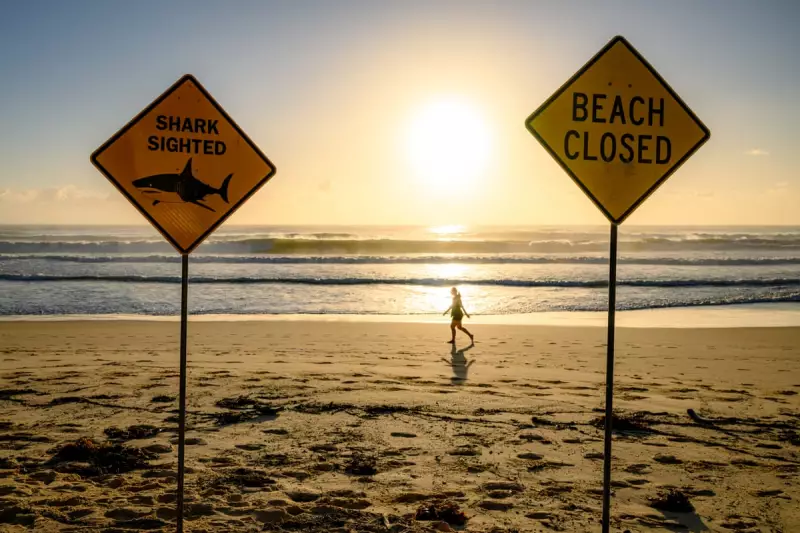
Marine experts are investigating whether Sydney's ageing sewage infrastructure has played a role in creating the conditions for an unprecedented cluster of shark attacks along the New South Wales coastline. Four separate incidents occurred within 48 hours in January, prompting authorities to issue stark warnings to beachgoers.
The 'Perfect Storm' of Contributing Factors
Scientists describe the recent attacks as the result of a convergence of environmental factors creating ideal hunting conditions for bull sharks. These include significantly increased numbers of swimmers during the summer months, rising ocean temperatures attributed to global heating, and turbid waters following intense weekend storms.
Professor Robert Harcourt, emeritus professor of marine ecology at Macquarie University, explains: "After heavy rain, bull sharks move into foraging mode, so they are actively feeding more." Research tracking tagged bull sharks around Sydney has confirmed they follow fish into areas with murky waters shortly after rainfall events.

Sydney's Unique Sewage Management System
Sydney stands apart from other Australian cities with its reliance on primary treatment only for sewage management. This process removes solids before discharging the remaining effluent directly into the ocean, unlike more advanced secondary treatment systems used elsewhere that further break down organic material.
Professor Ian Wright, a water scientist at Western Sydney University with extensive experience working for Sydney Water, believes the sewage system has contributed to the situation: "There's a lot more than just that, but that has a role." He points to extreme rainfall events flushing pollution and sewage overflows into coastal waters.
The Nutrient Chain Effect
The connection between sewage systems and shark activity operates through what scientists describe as an indirect nutrient chain. Victoria Camilieri-Asch, a shark ethology consultant and academic, explains the process:
- Nutrients from stormwater, agricultural runoff, and wastewater enter coastal waters
- These nutrients feed microorganisms like plankton
- Plankton attract small fish, which in turn attract larger fish
- Predators including sharks follow this concentration of prey
Camilieri-Asch notes: "Bull sharks especially are known to stay within areas where there is wastewater in other countries as well."
Deepwater Outfalls and Changing Ocean Currents
Another distinctive feature of Sydney's sewage infrastructure is its deepwater ocean outfalls at Malabar, Bondi, and North Head. Built in the late 1980s and early 1990s, these pipes extend 2-4 kilometres offshore and handle approximately 80% of the city's effluent.
While some experts believe these outfalls have pushed nutrient-rich plumes away from beaches, Dr Colette Kerry, a physical oceanographer at the University of NSW, suggests changing coastal conditions may be altering this dynamic. She notes that warmer than usual ocean currents are currently trapping nutrient-rich water closer to shore, potentially including effluent from the outfalls.
Official Responses and Future Considerations
NSW Minister for Water Rose Jackson has cautioned against oversimplifying the connection between wastewater systems and shark attacks: "I can absolutely understand why people are looking for answers, but I would caution against over-simplifying the issue as directly linked to our wastewater network."
Nevertheless, Sydney Water has committed to a $34 billion network upgrade over the next decade, including improvements to the Malabar, Bondi, and North Head systems. The recent attacks have highlighted the need for further research into how urban infrastructure interacts with marine ecosystems.
Professor Wright offers practical advice that applies equally to water quality and shark safety: "If it's poor water, if it looks dodgy, if it smells a bit off, don't go in. You could pick up a waterborne disease, but you could also become prey for a shark."

The unprecedented cluster of shark incidents has brought renewed attention to Sydney's ageing sewage infrastructure and its potential role in creating environmental conditions that affect marine predator behaviour along the city's coastline.