For years, a haunting and unexplained sound from the ocean's depths captured the public imagination and baffled scientists, sparking wild theories of undiscovered leviathans. The truth, however, was a stark reminder of the planet's changing climate.
The Enigma of the 'Bloop'
In 1997, underwater microphones operated by the National Oceanic and Atmospheric Administration (NOAA) picked up a powerful, ultra-low-frequency sound off the coast of South America. Dubbed 'the Bloop', its peculiar characteristics immediately set the scientific community abuzz. The noise bore an uncanny resemblance to a biological call, perhaps from a whale, but its immense volume – far louder than any noise produced by known marine life – ruled out even the largest blue whale.
This anomaly fuelled intense speculation. Some researchers openly pondered if it could be evidence of a massive, unknown creature, with popular culture eagerly suggesting everything from the prehistoric shark Megalodon to mythical beasts. Online forums lit up with theories, while more grounded geographers pointed to potential geological sources like underwater volcanoes or tectonic shifts.

The Long Search for an Answer
The mystery persisted for nearly a decade. NOAA's Pacific Marine Environmental Laboratory (PMEL) continued its acoustic research, gradually deploying hydrophones closer to the southern polar region. Their persistent monitoring was part of broader efforts to study seafloor seismic activity, not to hunt monsters. Then, in 2005, the source was finally pinpointed.
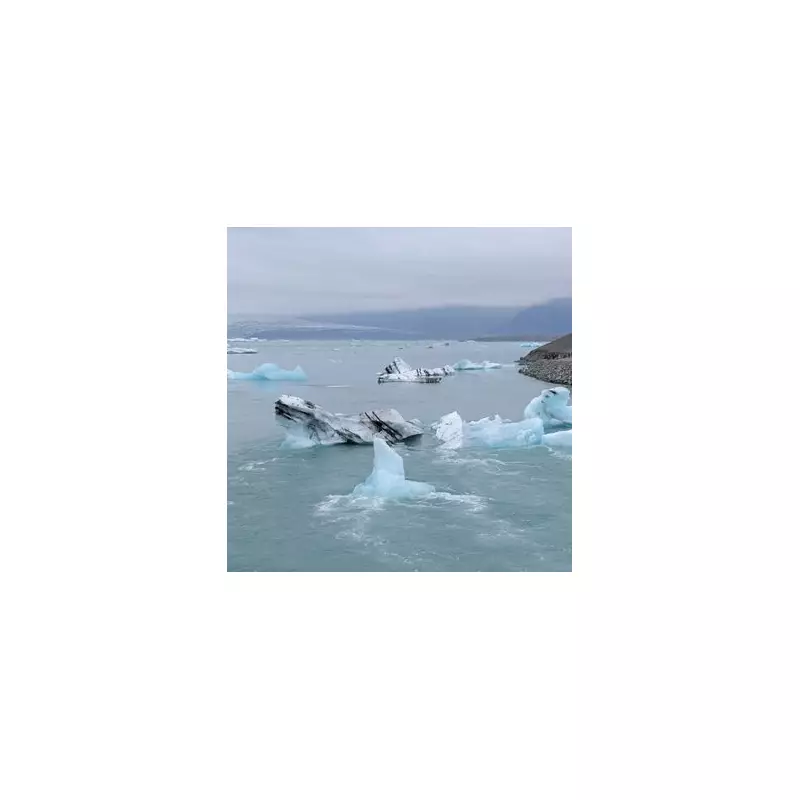
The thunderous rumbles did not come from a living colossus, but from the fracturing ice of Antarctica. The Bloop was conclusively identified as the sound of an icequake – a massive iceberg cracking and calving from a glacier. As NOAA later explained, the increasing frequency of such events is directly linked to global warming.
Reaction and Lasting Intrigue
The revelation, while scientifically robust, was met with a mix of acceptance and disappointment. On platforms like Reddit, some lamented the loss of a more fantastical explanation. One user expressed a common sentiment, wishing for the discovery of a huge, unknown life form instead. Others questioned why the organic-like signature was so pronounced and why it took years to solve.
Despite the definitive answer, the Bloop's legacy endures. It stands as a compelling case study in how mystery can drive scientific inquiry and public engagement. More importantly, its true origin serves as an audible signal of environmental change, a stark acoustic fingerprint of a warming world where glacial ice succumbs to the rising temperatures, breaking apart with a roar that once echoed as a monster's call.