Four Shark Attacks in 48 Hours: Scientist Blames Human Pollution
Four Shark Attacks in 48 Hours Linked to Pollution

A leading scientist has pointed to human activity as a key factor behind a devastating series of four shark attacks that struck Australia within just 48 hours, warning that pollution is severely disrupting the ocean environment.

A Spate of Unprecedented Attacks

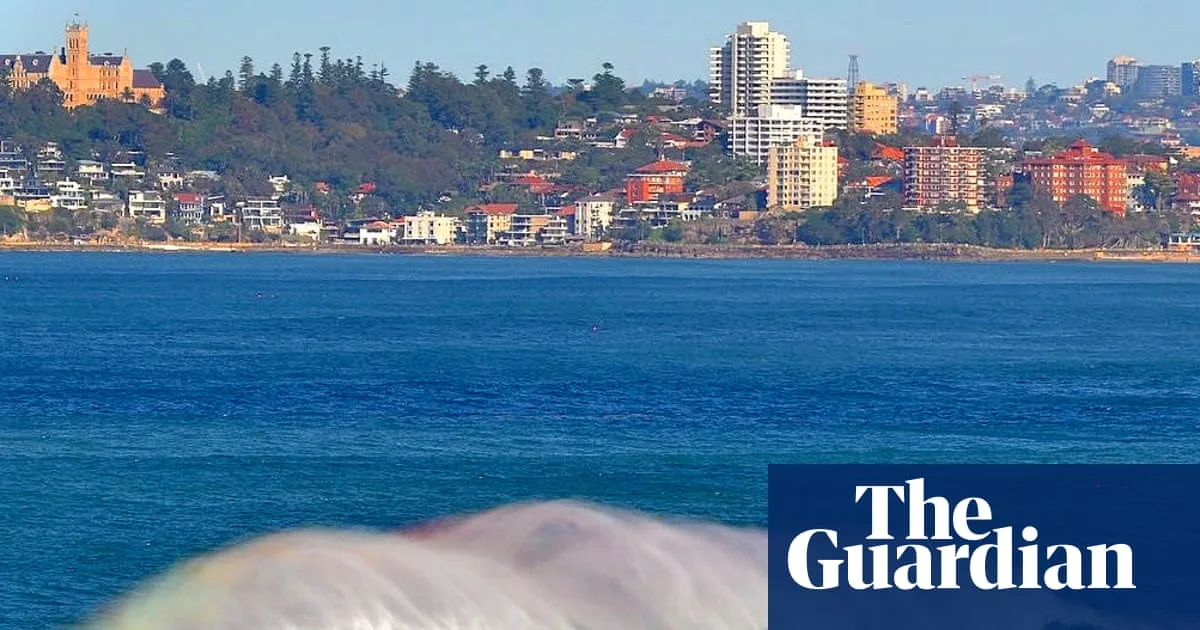
The alarming cluster of incidents began on Sunday afternoon near Sydney, when a 12-year-old boy was attacked by a shark while jumping off rocks at Nielsen Park in East Sydney. The very next morning, an 11-year-old boy was knocked into the water and had a chunk bitten out of his board. Later that Monday evening, a male surfer suffered life-changing injuries after being bitten on the leg at North Steyne Beach. The fourth attack, involving a 39-year-old surfer mauled off Port Macquarie, confirmed this as one of Sydney's worst recorded spates of shark attacks.

Experts suggest that notoriously aggressive bull sharks are likely responsible for all four incidents. Speaking to the Daily Mail, Professor Shokoofeh Shamsi of Charles Sturt University stated that the increased risk was predictable and that the sharks are not entirely to blame for the aggressive behaviour.

The Human Hand in a Perfect Storm

Professor Shamsi explained that the attacks followed a period of heavy rainfall, which created a dangerous chain of events. Raw sewage overflowing into the sea attracts schools of bait fish, which in turn lure bull sharks closer to popular shorelines. Simultaneously, sediment washed into the water drastically reduces visibility, meaning neither humans nor sharks can see clearly, increasing the chance of mistaken identity and accidental bites.

"Just imagine it: You're walking down the street, and the clean air suddenly changes to become very smoky," Professor Shamsi said. "That happens in the ocean when all this fresh water enters, and just like we would get stressed and become a bit jumpy, why shouldn't the same thing happen to sharks?"

Chemical Cocktails and Parasitic Threats

Beyond the immediate effects of rainfall, Professor Shamsi's research indicates a more insidious problem. Runoff carries a toxic mix of pharmaceutical products, pesticides from farmland, and industrial chemicals into coastal waters. These pollutants are absorbed by marine life and can disrupt nervous systems, potentially increasing stress and aggression. Studies on land animals have shown similar chemicals can lead to heightened anxiety and aggressive traits.

Furthermore, parasites washed from human settlements into the ocean may also alter animal behaviour. Parasites like Toxoplasma gondii, found in various marine species, are known to reduce fear responses and increase risk-taking in hosts. "These parasites have evolved over millions of years to manipulate the host's behaviour to get what they want," Professor Shamsi noted.

The professor also highlighted the growing issue of noise pollution from shipping, industry, and sonar. As sound travels more effectively in water, this cacophony creates chronic stress for acoustically sensitive sharks, potentially compounding the risk of aggressive reactions.

While this combination of factors remains a hypothesis requiring more research, the immediate advice is clear: avoid the water shortly after heavy rainfall when conditions are most dangerous. The solution to reducing long-term risk, however, lies in addressing the profound human impact on the marine ecosystems these predators inhabit.




