A landmark scientific study has revealed that deep-sea mining exploration caused a dramatic 37% reduction in seafloor animal life within the directly affected zone. The research, believed to be the largest of its kind, provides the first robust data on the potential environmental cost of extracting valuable minerals from the ocean floor.
Unprecedented Scale of Research in the Pacific
Scientists from the Natural History Museum (NHM), the University of Gothenburg, and the National Oceanography Centre dedicated over five years to investigating how biodiversity could be harmed by deep-sea mining. Their work focused on the Clarion-Clipperton Zone (CCZ), a vast area of the Pacific Ocean rich in polymetallic nodules that has been targeted by mining companies.
The controversial practice involves using heavy machinery to scoop up mineral-rich deposits from seabeds deeper than 200 metres. The team captured extensive baseline data on wildlife, tracked natural fluctuations, and then assessed the impact after testing a mining machine in the region.

Significant Loss of Life and Diversity
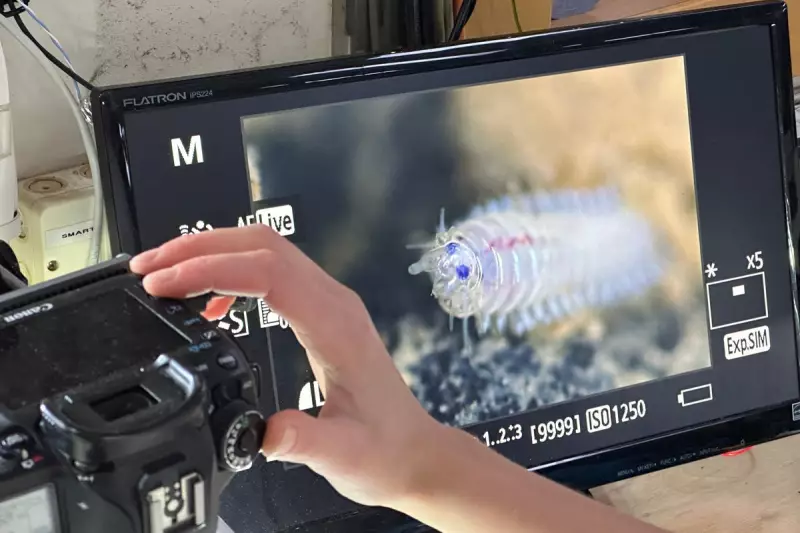
After accounting for natural changes, the analysis showed a stark 37% drop in the number of invertebrates living in the sediment directly disturbed by the machine's tracks. These organisms, known as macrofauna, are visible to the naked eye and include creatures like polychaete worms, crustaceans, snails, and clams, measuring between 0.3mm and 2cm.
This loss of abundance also triggered a 32% reduction in species diversity in the same areas. Furthermore, sites affected by the sediment plume stirred up by mining equipment showed a shift in ecosystem balance, with an increase in the dominance of certain animals, indicating a disruption to delicate deep-sea habitats.
A Critical Evidence Base for Global Policy
The study's scale was immense, involving more than 160 days at sea, the use of remotely operated vehicles to sample the seabed, and three years of laboratory analysis. In total, 4,350 sediment animals were collected across four expeditions, leading to the identification of 788 species by collaborating institutions.
Eva Stewart, lead author and a PhD student at the NHM and University of Southampton, stated: "Finally, we have good data on what the impacts of a modern commercial deep-sea mining machine might be. We have also discovered many new species and shown how the abyssal ecosystem changes naturally over time."
Dr Adrian Glover, NHM deep-sea scientist and senior author, emphasised that this new quantitative data on species-level impacts is vital for informing ongoing policy discussions regulated by the International Seabed Authority (ISA). "They will form a critical evidence base going forward," he said, highlighting the urgent need to survey protected areas within the CCZ to understand the full risk of biodiversity loss from potential mining.