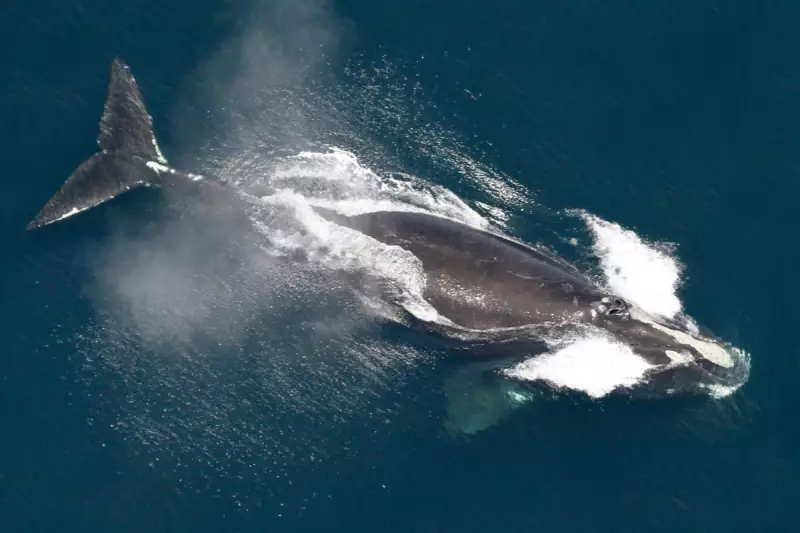
One of the planet's most endangered marine mammals, the North Atlantic right whale, is experiencing a cautiously encouraging season for new births. However, leading scientists and conservation groups stress that this minor uptick is insufficient to pull the species back from the brink of extinction without drastic protective measures.
A Glimmer of Hope in Calving Season
The National Oceanic and Atmospheric Administration (NOAA) confirmed on Monday 05 January 2026 that researchers have identified 15 new calves this winter. The whales give birth in the warmer waters off the southeastern United States before migrating north. This season's figure surpasses the 11 calves recorded last winter and is higher than in two of the past three seasons.
This news offers a fragile sign of hope for a species whose total population is estimated at just 384 animals. Following several years of decline, the population has seen a slow increase, growing by more than 7% since 2020. Despite this, the historical context is grim. Since 2010, calf numbers have reached 20 only twice, and in the disastrous 2018 season, no calves were born at all.

The Stark Reality: 50 Calves Needed Annually
NOAA was unequivocal in its assessment, stating the species requires "approximately 50 or more calves per year for many years" to halt its decline and begin a genuine recovery. Gib Brogan, senior campaign director at the environmental group Oceana, echoed this, noting that a lack of reproductive females in the population makes 50 births an unrealistic expectation for now.
"We're not going to be able to calve ourselves to recovery," Brogan stated. The path to survival, he emphasised, demands addressing the two primary human-caused killers: deadly collisions with large ships and entanglement in commercial fishing gear. These threats not only cause immediate deaths but also leave surviving whales injured and underfed, severely reducing their likelihood of successful reproduction.
Policy Paralysis Deepens the Crisis
The current political landscape adds a layer of urgency to the whales' plight. The federal government is in the midst of a moratorium on protective rules for right whales, set to last until 2028. Furthermore, commercial fishing interests are lobbying to extend this regulatory pause even longer.
This year's modest rise in births, while welcome, does not change the fundamental crisis. NOAA highlighted that over the past decade, deaths have consistently outnumbered births in the population. Hunted to near extinction in the whaling era and protected for decades, the North Atlantic right whale's future now hinges on stronger, enforced laws to mitigate the man-made threats it faces every day.
With time still remaining in this winter's calving season, every new calf is celebrated. Yet conservationists insist that celebration must swiftly turn to action, advocating for proven solutions like slower ship speeds and safer fishing technologies to give these majestic creatures a fighting chance.