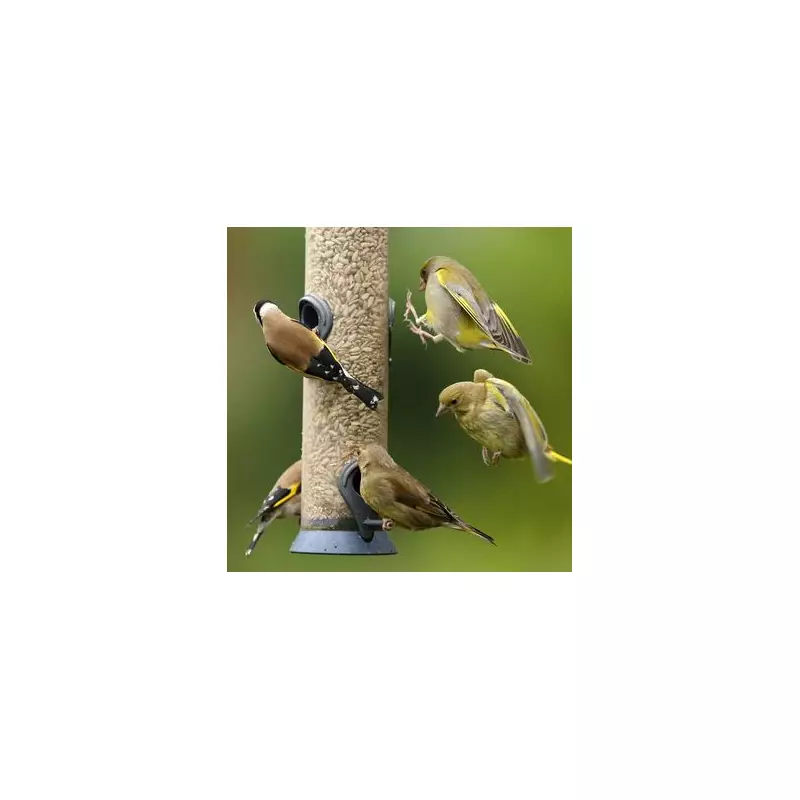
As freezing conditions are forecast to sweep across much of the United Kingdom in the coming days, our feathered friends will increasingly rely on human assistance to survive the harsh winter months. There is one particularly effective way to help wild bird populations right now, and it involves a simple, rewarding activity that anyone can participate in, regardless of their location.
Participate in the RSPB Big Garden Birdwatch 2026
I recently spent an hour observing the birds in my own urban garden, which, despite its modest size with only a few potted plants, is regularly visited by a variety of wild species. This observation was part of the RSPB Big Garden Birdwatch 2026, a nationwide survey that encourages volunteers to monitor garden birds. The data collected helps the Royal Society for the Protection of Birds track population changes and trends, providing crucial insights for conservation efforts.
Bird enthusiasts across the UK can easily register and take part in this initiative. The process is straightforward: simply observe which birds visit your outdoor space for one hour, record the species you see, and submit your findings through the RSPB website. The platform offers identification support to help participants accurately log their sightings.

A Glimpse into a Winter Garden Bird Count
During my own birdwatch session, which began at 10:30am, activity around the feeder was lively. The distinctive chirping of house sparrows filled the air as a group of ten arrived simultaneously; these small birds often gather in flocks for protection. They were followed by four vibrant and vocal goldfinches, a species I am delighted to see most mornings when they descend for their seed breakfast.
Other frequent visitors included a pair of blackbirds and a robin. It is worth noting that these species sometimes struggle to perch on hanging feeders, though the robin can access fat balls. Blackbirds have a particular fondness for mealworms, and care should be taken with other foods that might damage their delicate beaks; they also enjoy soft fruits.
Additionally, a colourful great tit with a yellow-green chest and a central black stripe made an appearance, along with two wood pigeons, a dunnock, and the call of a magpie. While it can be distressing to witness crows and magpies preying on smaller birds, this is a natural part of the ecosystem. My final count for the hour included two carrion crows and one magpie, bringing the total to 22 birds observed.
Essential Tips for Supporting Garden Birds
Feeding birds is a key way to assist them during winter. Based on years of experience, I have found that sunflower seeds are a clear favourite among many species, supplemented by premium fat balls. However, providing food is not the only way to help.
Offer a Water Source:Most garden birds also benefit from a shallow bowl of water, which they use for drinking and bathing. This is especially important when natural water sources may be frozen.
Understand Natural Food Sources:In the wild during January, blackbirds and robins often feast on ivy flowers, which are plentiful in both countryside and urban areas. This is why leaving some overgrown patches undisturbed can be valuable for wildlife.
Act Quickly to Join the Birdwatch
If you wish to contribute to this important citizen science project, time is of the essence. The RSPB Big Garden Birdwatch 2026 runs only from Friday, January 23 until Sunday, January 25. To participate, visit the RSPB website, register your interest, dedicate an hour to watching birds in your garden or local area, and log your findings through their online platform.
The response has been remarkable: by midday on January 23, a total of 80,797 garden birds had already been tallied across the nation. This number is expected to rise significantly as more people join the effort over the weekend. By taking part, you not only aid in vital conservation research but also enjoy a peaceful, connecting experience with nature during the winter season.